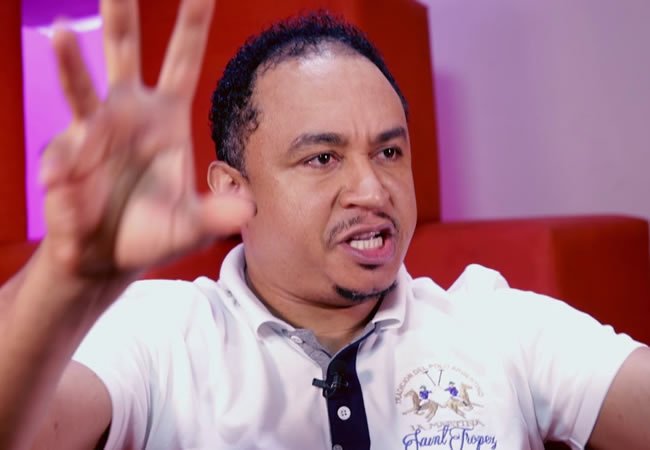
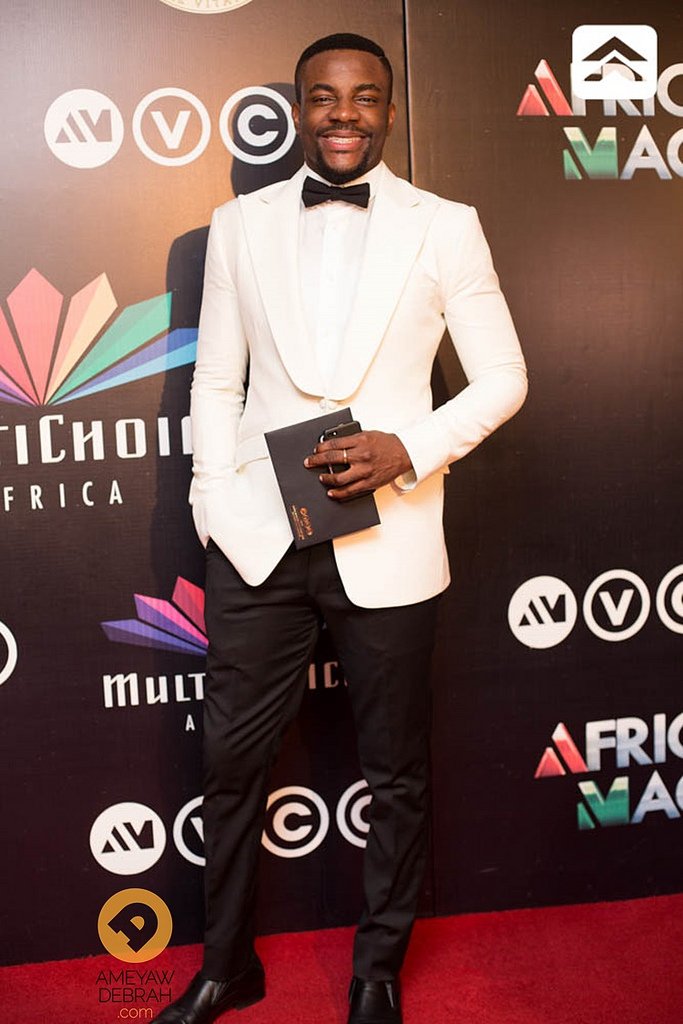
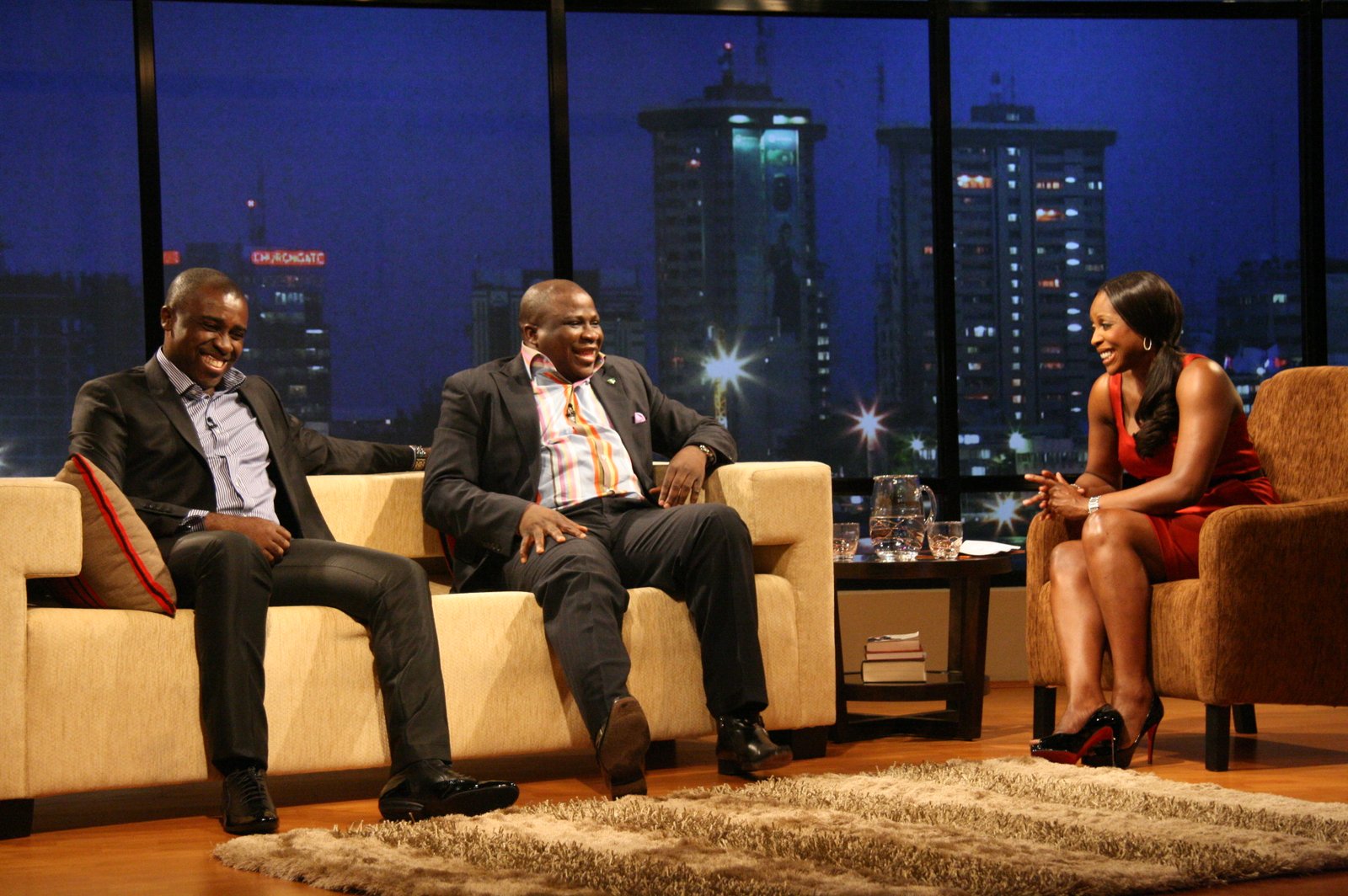
Daddy Freeze has made a career out of being too inconvenient to dismiss. His Free the Sheeple campaign, which challenged the tithing doctrine as practised in Nigerian Pentecostalism and accused major churches of financial exploitation, was easy to dismiss as provocateur behaviour until the theological arguments he made proved detailed enough to require real engagement from senior pastors who would have preferred to ignore him. Whether you agree with his conclusions or not, the debate he forced had been overdue in Nigerian Christian public discourse for a long time.
He began his career as a radio broadcaster before his commentary overtook his on-air work in visibility. His detailed theological arguments forced a debate that senior pastors could not simply ignore. That willingness to court controversy made him a national talking point.
Whether embraced or opposed, he has become a fixture of the country’s religious and cultural debates. His commentary regularly sparks national conversation.
Key facts
Full name
Ifedayo Olarinde
Born
18 October 1971, Lagos
Profession
Radio host, media personality, online commentator
Net worth (est.)
$500,000 to $1 million
Known for
Cool FM, tithing controversy, Free Nation movement
Heritage
Nigerian-Russian
Early life and background
Daddy Freeze was born in Lagos to a Nigerian father and a Russian mother, a bicultural heritage that shaped his perspective and communication style. He grew up in Lagos and developed an early interest in music and broadcasting. He began his radio career at Cool FM Lagos, where his presenting style, characterised by strong opinions, humour, and a willingness to provoke, built a loyal listenership.
His Cool FM career established him as a recognisable voice in Lagos radio entertainment before his interests shifted increasingly toward social commentary, particularly around the practices and economics of Nigerian Pentecostal churches. This shift would eventually consume his media identity and spark national controversy.
The tithing controversy and Free Nation movement
Daddy Freeze became nationally prominent through his sustained public criticism of tithing practices in Nigerian Pentecostal churches. Using social media and video content, he argued that the biblical basis for compulsory tithing was misapplied by Nigerian pastors and that prosperity gospel teachings exploited congregants economically. His arguments attracted both fierce opposition from church leaders and enthusiastic support from Nigerians who felt aggrieved by church financial demands.
He founded the Free Nation movement as a platform for his anti-tithing message and related commentary on Nigerian religious and social life. The movement attracted followers who describe themselves as Christians who reject prosperity gospel prosperity theology while retaining their Christian faith. His confrontations with prominent Nigerian pastors and church institutions were widely covered in Nigerian media and generated significant online engagement.
Media career and transition
Daddy Freeze’s radio career and his online commentary career developed at the same time before his online profile eventually eclipsed his broadcasting work in public prominence. He has transitioned into digital media content, maintaining an active YouTube channel, Instagram presence, and podcast where he continues to discuss religion, relationships, and social affairs in Nigeria. His content attracts large audiences despite, or partly because of, the strong reactions it generates.
Net worth and earnings
Daddy Freeze’s net worth is estimated at between $500,000 and $1 million. His income comes from radio and media work, digital content monetisation, speaking engagements, and brand partnerships. His controversial profile makes some brands reluctant to associate with him, but his engaged audience is valuable to brands targeting certain consumer segments.
Life beyond the spotlight
Daddy Freeze has been married multiple times and has discussed his personal life, including his views on marriage, divorce, and relationships, publicly in his media content. His bicultural Nigerian-Russian background is a point of pride and occasional discussion in his commentary on Nigerian identity and culture.
Why Daddy Freeze matters
Daddy Freeze is a radio broadcaster who became a national talking point through his “Free the Sheeple” online movement, in which he publicly challenged mainstream church practices such as tithing, making him one of Nigeria’s most controversial media commentators.
Reader questions
What is Daddy Freeze’s real name?
Daddy Freeze’s real name is Ifedayo Olarinde. He adopted the stage name Daddy Freeze for his broadcasting and media career, with the “Freeze” element reflecting his reputation for holding firm positions that he does not easily back down from under pressure.
What is the Free Nation movement?
Free Nation is a movement founded by Daddy Freeze based around his criticism of tithing and prosperity gospel practices in Nigerian Christianity. Followers describe themselves as Christians who reject the prosperity theology framework while retaining their Christian faith. The movement has attracted a large following online and at events.
Why is Daddy Freeze controversial?
Daddy Freeze is controversial primarily because of his sustained public criticism of tithing practices in Nigerian Pentecostal churches and his confrontations with prominent Nigerian pastors. In a country where Pentecostal Christianity is a dominant cultural and social force, his views attract fierce opposition from church institutions and members while also resonating strongly with critics of church financial practices.
Which radio station did Daddy Freeze work for?
Daddy Freeze built his mainstream broadcasting career at Cool FM Lagos, one of Nigeria’s most popular radio stations. His Cool FM work established his media profile before his social commentary career eventually became his primary public identity.
What is Daddy Freeze’s heritage?
Daddy Freeze was born to a Nigerian father and a Russian mother, making him Nigerian-Russian. His bicultural background is a feature of his personal narrative and occasionally informs his commentary on Nigerian identity, belonging, and cultural expectations.
Conclusion
Ifedayo Olarinde was born in Lagos in October 1971 to a Nigerian father and a Russian mother. He built his name at Cool FM Lagos on strong opinions, humour and a readiness to provoke. That style transferred cleanly when his attention moved from entertainment to the economics of Nigerian Pentecostalism.
The Free Nation movement gave the argument an organisational shape beyond individual broadcasts. Its followers generally describe themselves as Christians who reject prosperity theology rather than as opponents of the faith, and that distinction is what made the position hard to dismiss. His confrontations with named pastors and institutions were covered widely and drew both support and hostility.
His online audience long ago overtook his radio one, and he now works mainly through YouTube, Instagram and a podcast covering religion, relationships and social affairs. The controversy carries a commercial cost, as some brands stay away. He has also been open about his own marriages and divorces in the same content where he discusses everyone else’s.
Sources and further reading
Information draws on profiles and interviews published by The Punch, Vanguard, Bellanaija, and Guardian Nigeria, alongside Daddy Freeze’s own digital content and media coverage of the Nigerian tithing debate.
Max Adeyemi is a Lagos-based writer covering Nigerian and African entertainment, sport, business, and culture. He has spent over a decade tracking the careers, controversies, and quiet achievements of the people who move the culture. He writes all profiles on Nolly.