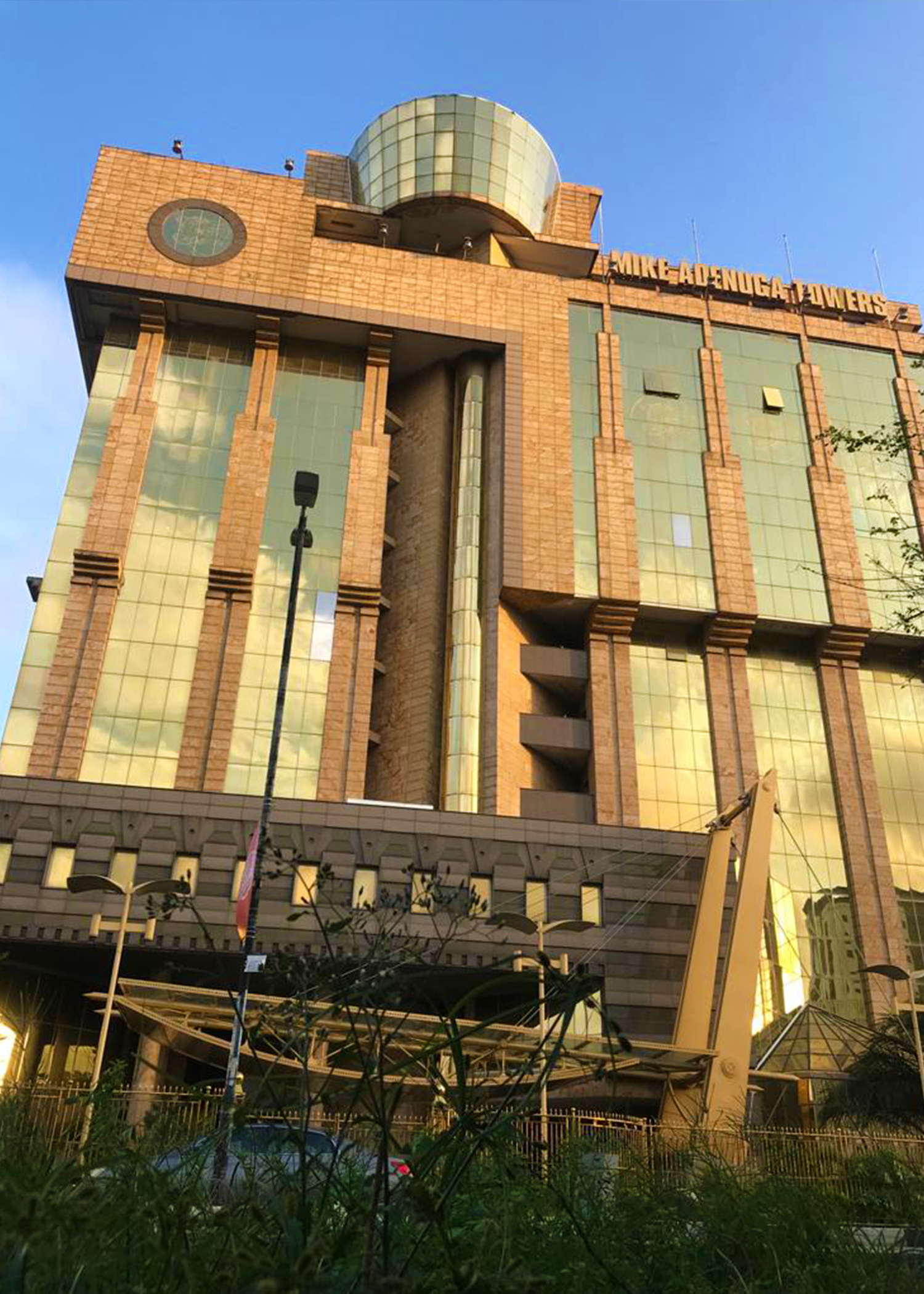
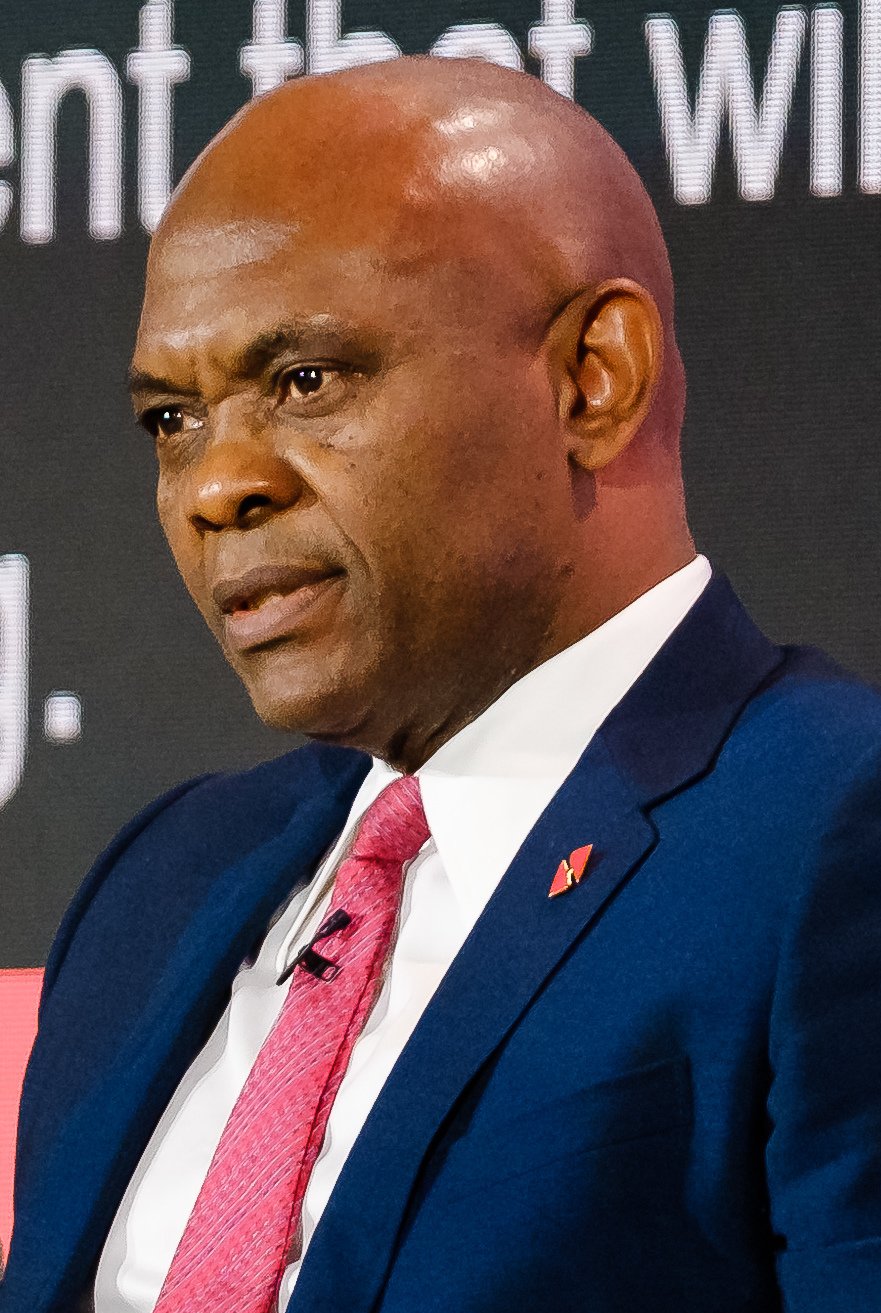
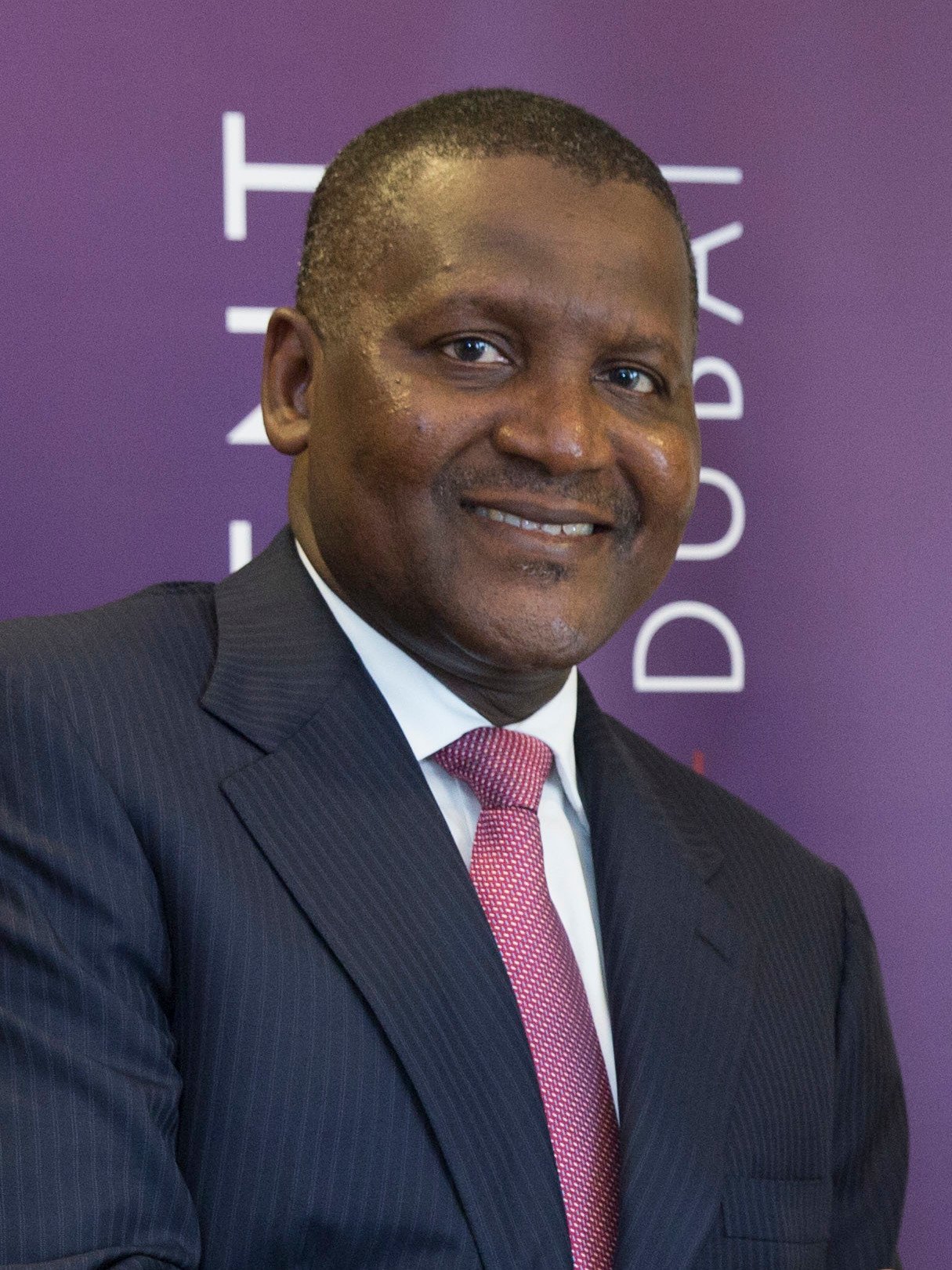
Mike Adenuga built his first fortune in oil, then built a larger one in telecoms, and did both in a Nigerian market where neither industry gives up success without a fight. Globacom, the mobile network he launched in 2003, broke the MTN-Airtel duopoly and triggered a price war that dramatically cut what Nigerians paid for mobile services. He is rarely quoted in the press and almost never photographed voluntarily, which makes him one of the most powerful and least visible billionaires in West Africa.
He was born on 29 April 1953 in Ibadan, Oyo State, and built his early fortune through fuel distribution and real estate before telecommunications gave him the platform for his largest and most consequential business achievement. When Glo launched in 2003 into the Nigerian market that MTN and Airtel were dominating, its per-second billing model disrupted the established per-minute billing structure of the incumbents and won it millions of subscribers in its first year of operation.
Forbes Africa places his 2026 net worth at approximately $6 billion to $7 billion, making him Africa’s second richest individual behind Aliko Dangote. He has received the Grand Commander of the Order of the Niger (GCON), one of Nigeria’s highest national honours. Beyond that, he says very little in public.
Key facts
Full name
Michael Adeniyi Agbolade Ishola Adenuga Jr.
Date of birth
29 April 1953
Birthplace
Ibadan, Oyo State
Nationality
Nigerian
Education
Northwestern Oklahoma State University (Business Admin); Pace University, New York (MBA)
Known as
“Bull”
Major businesses
Globacom (telecoms), Conoil Producing (oil), Equatorial Trust Bank (sold)
National honour
GCON (Grand Commander of the Order of the Niger)
Net worth estimate (2026)
~$6bn to $7bn (Forbes Africa; estimate, not verified)
Early life and education
Michael Adeniyi Agbolade Ishola Adenuga Jr. was born on 29 April 1953 in Ibadan, the capital of Oyo State in southwestern Nigeria. His family was Yoruba, with roots in the merchant and business culture that has characterised parts of the Yoruba professional class for generations. The elder Adenuga instilled in his son an early orientation toward commerce and independent enterprise that would define the younger Adenuga’s entire adult life.
He studied Business Administration at Northwestern Oklahoma State University in the United States before completing an MBA at Pace University in New York. Those American degrees gave him formal business training and, more importantly, direct exposure to the commercial culture and business practices of the United States at a formative stage of his thinking about commerce and enterprise. He returned to Nigeria with both the credentials and a worldview shaped by time in one of the world’s most competitive business environments.
His early business activities in Nigeria included work in the fuel distribution sector, which gave him his initial capital and his first experience of operating at scale in a market shaped by government licensing, infrastructure constraints, and the particular dynamics of Nigerian commodity trading. Real estate investments supplemented those early revenues and gave him a diversified base before telecommunications.
Globacom and telecommunications
Globacom launched in Nigeria in 2003 as the country’s third major mobile telecommunications operator, entering a market where MTN and Airtel had established strong positions with subscriber bases numbering in the millions. The conventional view at the time was that the incumbents were too entrenched for a new entrant to compete effectively. Adenuga’s view was different.
Glo’s launch strategy centred on per-second billing, a fundamental departure from the per-minute billing model that MTN and Airtel were using. For consumers, per-second billing meant that a 45-second call cost 45 seconds of airtime rather than a full minute, a material cost reduction that was immediately understood and appreciated by subscribers already frustrated with the economics of mobile communication in Nigeria. Within months of launch, Glo had signed millions of subscribers.
Globacom has since extended beyond Nigeria into Ghana, Benin Republic, and Ivory Coast, building a West African footprint that gives it scale beyond any single national market. The company has also invested in submarine cable infrastructure with the Glo-1 cable, one of the submarine fibre-optic cables connecting West Africa to Europe that underpins the internet connectivity infrastructure of the region.
Oil and other businesses
Conoil Producing, the oil and gas company in which Adenuga holds a significant interest, gives him direct exposure to Nigeria’s petroleum sector. Conoil operates oil blocks in the Niger Delta and has historically been one of the profitable private-sector participants in Nigeria’s upstream oil industry, a sector where government relationships and regulatory positioning are as important as operational capability.
He previously owned Equatorial Trust Bank, which he sold as part of the consolidation of Nigeria’s banking sector in the mid-2000s. The sale produced a significant return that contributed to his overall financial position. His business interests also include real estate holdings in Lagos and other major Nigerian and international markets.
Personal life and privacy
Mike Adenuga is widely known in Nigerian business circles for his extreme privacy. He grants almost no media interviews and makes no public statements about his personal life, his family, or his business strategy. In a media environment where Nigerian public figures are often highly visible, his near-total absence from public discourse is itself a distinguishing feature that has given him an almost mythological status in Nigerian business conversation.
He is known as “Bull” in Nigerian business circles, a nickname that references his competitive intensity and his refusal to yield ground once he has decided to enter a market. He is married and has children, but the details of his family life are not publicly documented. His social activities are occasionally referenced in media coverage of Lagos society events, but he does not give interviews about them.
Net worth and finances
Forbes Africa estimates Mike Adenuga’s 2026 net worth at approximately $6 billion to $7 billion, making him Africa’s second wealthiest individual and Nigeria’s second richest person after Aliko Dangote. The figure is anchored primarily in his Globacom ownership, supplemented by his Conoil oil interests and real estate holdings. Globacom’s subscriber base across Nigeria, Ghana, Benin Republic, and Ivory Coast generates revenue that makes it one of the most valuable private telecommunications assets in West Africa.
His wealth has grown consistently through telecommunications expansion and oil sector performance, and his refusal to take Globacom public means that the full picture of its financial performance is not available in the way that a listed company’s would be. The Forbes estimate is therefore based on revenue and subscriber data analysis rather than audited public accounts.
Reader questions
What is Globacom?
Globacom (Glo) is a Nigerian telecommunications company founded by Mike Adenuga in 2003. It launched with a per-second billing model that disrupted the established per-minute billing of MTN and Airtel, rapidly winning millions of subscribers. It has since expanded into Ghana, Benin Republic, and Ivory Coast, and is one of Nigeria’s largest mobile operators by subscriber count.
Where did Mike Adenuga study?
He studied Business Administration at Northwestern Oklahoma State University and completed an MBA at Pace University in New York. Both institutions gave him formal business training and exposure to the American commercial environment that shaped his entrepreneurial approach to the Nigerian market on his return.
Why is Mike Adenuga called Bull?
The nickname “Bull” is used in Nigerian business circles to reference his competitive intensity and his refusal to back down once he has decided to pursue a market. It reflects a business reputation for aggressive, direct competition rather than any specific public incident or self-described persona.
What national honour has Mike Adenuga received?
He has received the GCON, the Grand Commander of the Order of the Niger, one of Nigeria’s highest national honours. The recognition reflects his contribution to the Nigerian economy through Globacom’s development of telecommunications infrastructure and his broader business activities.
What is Mike Adenuga’s net worth in 2026?
Forbes Africa estimates his net worth at approximately $6 billion to $7 billion as of 2026, making him Nigeria’s second richest individual after Aliko Dangote and Africa’s second wealthiest person. The figure is anchored in his Globacom ownership and his Conoil oil interests.
Conclusion
Mike Adenuga is one of Nigeria’s most powerful and private businessmen. He built two separate fortunes, in oil through Conoil and in telecoms through Globacom. That combination placed him among the richest people in Africa.
Globacom is credited with driving down call costs and introducing per-second billing to Nigeria. It broke into a market dominated by international operators as a wholly Nigerian-owned network. That success made him a champion of indigenous business.
Despite his wealth, he maintains one of the lowest public profiles of any major African tycoon. He rarely gives interviews or makes public appearances. He remains a defining example of an African-owned business empire.
Sources and further reading
Information in this profile draws on reporting and data from Forbes Africa, Financial Times, Bloomberg, The Punch Nigeria, Vanguard, Nigerian Communications Commission (NCC) operator data, and Glo-1 submarine cable public documentation.
Max Adeyemi is a Lagos-based writer covering Nigerian and African entertainment, sport, business, and culture. He has spent over a decade tracking the careers, controversies, and quiet achievements of the people who move the culture. He writes all profiles on Nolly.