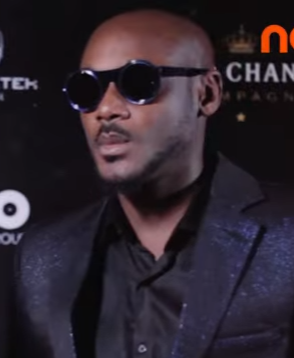
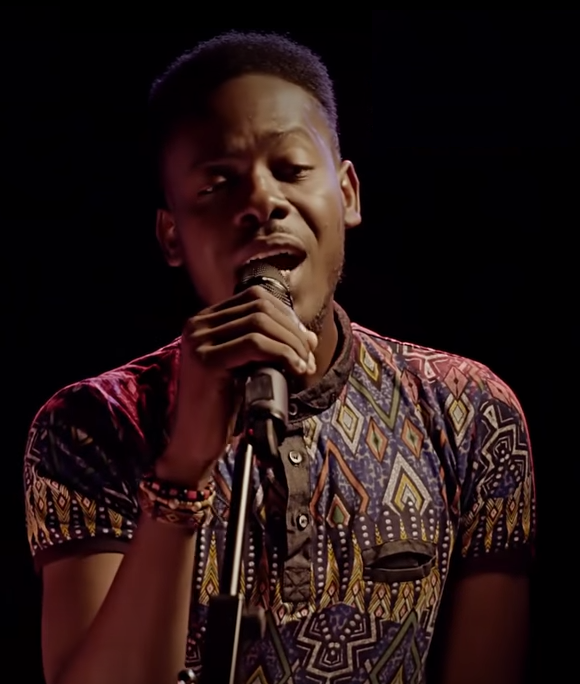
Before Afrobeats had a name, 2Baba was already making it. As a member of Plantashun Boiz in the late 1990s, Innocent Idibia was part of the group that laid the foundations for what Nigerian pop music could become. By the time he went solo and released “African Queen” in 2004, it was clear he was not just riding the wave, he was making it. That song remains one of the most recognisable pieces of music to have come out of Nigeria in the past three decades.
2Baba was born in Jos, Plateau State, in 1975 and grew up in a household shaped by music and the cultural diversity of Nigeria’s middle belt. He started his professional music career as a member of Plantashun Boiz, a group he formed in the late 1990s with fellow artists Blackface and Faze. When the group dissolved in the early 2000s, 2Baba launched a solo career that immediately set new commercial standards for Nigerian popular music.
As of 2026, he holds the record for the most Headies Awards by a solo artist, has been named African Artist of the Year at multiple international award ceremonies, and is consistently ranked among the wealthiest musicians in Nigeria by Forbes Africa and other financial publications. He married Annie Macaulay in 2012 and has seven children in total.
Key facts
Full name
Innocent Ujah Idibia
Stage name
2Baba (formerly 2face Idibia)
Date of birth
18 September 1975
Birthplace
Jos, Plateau State
State of origin
Benue State (Idoma heritage)
Nationality
Nigerian
Education
Institute of Management and Technology (IMT), Enugu
Label
Hypertek Entertainment (own label)
Genre
Afrobeats / R&B / Reggae
Active
1999 to present
Spouse
Annie Macaulay-Idibia (married 2012)
Children
7
Net worth estimate (2026)
~$20m to $28m (Forbes Africa; estimate, not verified)
Early life and education
Innocent Ujah Idibia was born on 18 September 1975 in Jos, where his family had settled from their home state of Benue in Nigeria’s Middle Belt. His parents were from the Idoma ethnic group, and the family’s exposure to the cultural diversity of Plateau State, with its mix of northern, middle-belt, and southern Nigerian communities, gave the young Idibia an unusually broad cultural frame of reference.
He showed musical aptitude from a young age, drawn to R&B, reggae, and the emerging sounds of Nigerian pop that were reshaping the country’s music scene in the late 1980s and early 1990s. After secondary school, he enrolled at the Institute of Management and Technology (IMT) in Enugu, where he studied Business Administration. It was in Enugu that he met Chibuzor Eze (Blackface) and Femi Adekunle (Faze), and the three began performing together, eventually forming Plantashun Boiz.
Plantashun Boiz released two albums and built a significant following in Nigeria’s university towns and urban centres through the late 1990s and into the early 2000s. The group’s sound, which blended R&B with traditional Nigerian pop, gave 2Baba a professional foundation and a fan base that followed him into his subsequent solo career.
Solo career and African Queen
2Baba launched his solo career in 2004 with the album Face 2 Face, which included the track African Queen. The song’s blend of R&B melody, Afrobeats rhythm, and romantic lyric gave it crossover appeal that was unusual for Nigerian music at the time. African Queen was featured in the 2006 film Phat Girlz and became one of the first Nigerian pop songs to achieve significant recognition and airplay in the United States.
Face 2 Face won the MTV Europe Music Award for Best African Act in 2005, making 2Baba the first Nigerian solo artist to win a major international music award. That victory announced Nigeria’s presence in the global music conversation years before the term Afrobeats had entered mainstream international vocabulary.
His subsequent albums, Grass 2 Grace (2006), The Unstoppable (2008), The Ascension (2012), Warriors (2017), and A Better Time (2020), each produced hit singles and sustained his position at the top of Nigerian music across four decades. Singles including Implication, True Love, Hate Me Now, and Rainbow became defining tracks of their respective periods and remain staples of Nigerian radio and streaming playlists.
Family and personal life
2Baba’s personal life has attracted sustained public attention throughout his career. He has seven children in total, born to multiple women. Before his marriage to Annie Macaulay, he had children with Pero Adeniyi and Sumbo Ajaba-Adeoye, relationships that were publicly known and widely discussed in Nigerian media. He and Annie Macaulay married in a high-profile ceremony in 2012 that was one of the most widely covered celebrity weddings in Nigerian history to that point.
His marriage to Annie Macaulay has itself been public and at times turbulent, with both parties making statements to media about challenges in their relationship. Annie Macaulay has been a prominent figure in Nigerian entertainment in her own right as an actress and television personality, and their relationship has been the subject of a reality television series. As of 2026, they remain married.
Awards and legacy
2Baba is the most awarded artist in Headies Award history, having won the ceremony’s Headies Lyricist on the Roll award ten consecutive times before it was retired in his honour. He has won BET Awards, MTV Africa Music Awards, and Channel O Music Video Awards across his career. He received the national honour of Member of the Order of the Federal Republic (MFR) and was awarded an honorary doctorate by the University of Abuja.
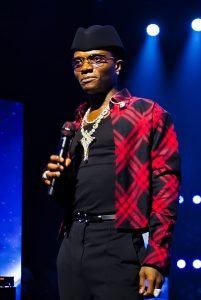
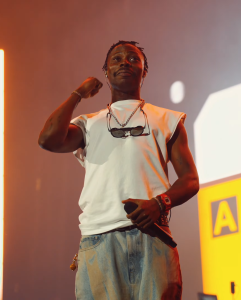
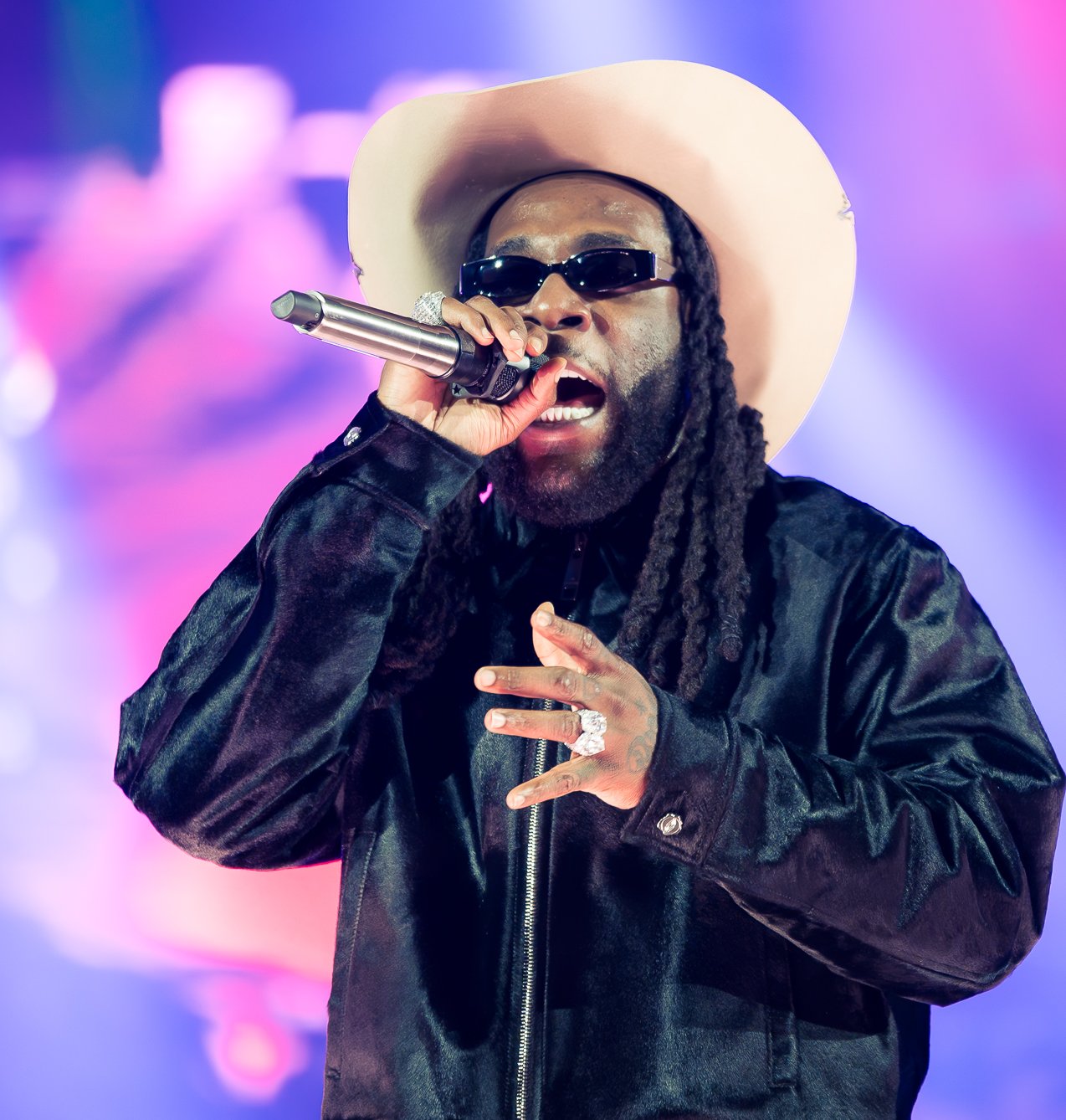
His influence on subsequent generations of Nigerian artists is difficult to overstate. Artists including Davido, Wizkid, Burna Boy, and Rema have cited him as an influence on their understanding of what a Nigerian pop artist could achieve internationally. African Queen is consistently listed in retrospective rankings of the greatest Nigerian songs of all time.
Wealth and reported net worth
2Baba’s 2026 net worth is estimated at between $20 million and $28 million by Forbes Africa and multiple Nigerian financial commentary sources. The figure reflects over two decades of recorded music royalties, extensive touring income from Nigeria, the rest of Africa, and diaspora communities in Europe and North America, and revenue from his Hypertek Entertainment label, which manages his own catalogue and has at various times signed other artists.
His endorsement history includes deals with Guinness, Glo, and other major Nigerian and African corporate brands. His annual earnings from performance fees for corporate events, national celebrations, and touring represent a consistent income stream supplementing his recorded music income. He is consistently placed among the five wealthiest musicians in Nigeria by outlets that track celebrity net worth.
Selected songs
“African Queen”
“Implication”
“Only Me”
“If Love Is a Crime”
“Rainbow”
Questions readers ask
What is 2Baba’s real name?
2Baba’s full name is Innocent Ujah Idibia. He was born on 18 September 1975 in Jos, Plateau State, and is of Idoma heritage from Benue State. He was formerly known as 2face Idibia before rebranding to 2Baba in 2014.
What was Plantashun Boiz?
Plantashun Boiz was a Nigerian R&B group formed in Enugu in the late 1990s by 2Baba (then Innocent Idibia), Blackface (Chibuzor Eze), and Faze (Femi Adekunle). The group released two albums and built a significant university-town following before dissolving in the early 2000s when each member pursued a solo career.
What made African Queen significant?
African Queen, released in 2004, was one of the first Nigerian pop songs to achieve meaningful international recognition and US airplay, aided by its placement in the 2006 Hollywood film Phat Girlz. It helped establish that Nigerian Afrobeats had global crossover potential years before the genre entered mainstream international vocabulary.
How many children does 2Baba have?
2Baba has seven children in total. Some were born before his 2012 marriage to actress and television personality Annie Macaulay-Idibia. He and Annie Macaulay have remained married as of 2026.
What is 2Baba’s net worth in 2026?
Forbes Africa and multiple Nigerian financial commentary sources estimate his net worth at between $20 million and $28 million as of 2026, reflecting over two decades of royalties, touring, label income from Hypertek Entertainment, and major brand endorsement deals.
Conclusion
2Baba is widely regarded as a founding figure of modern Nigerian pop, the artist whose crossover success first showed the music could travel. He bridged the highlife and R&B of earlier eras with the sound that would become Afrobeats. His influence runs through much of what followed him.
From his beginnings in the group Plantashun Boiz to a solo career defined by “African Queen”, he built a catalogue of enduring songs. Many of his records have aged into standards that remain in rotation years later. His preference for timeless melody over passing trends is a large part of why.
Decades into his career, he remains active both in music and as a prominent social advocate. Younger Afrobeats stars consistently cite him as a template for artistry and longevity. He stands as one of the most respected elder statesmen of Nigerian pop.
Sources consulted
Information in this profile draws on reporting and data from Forbes Africa, Billboard, MTV Europe Music Awards, BET Awards, Headies Awards records, The Pulse Nigeria, Vanguard, and Channel O Music Video Awards.
Max Adeyemi is a Lagos-based writer covering Nigerian and African entertainment, sport, business, and culture. He has spent over a decade tracking the careers, controversies, and quiet achievements of the people who move the culture. He writes all profiles on Nolly.