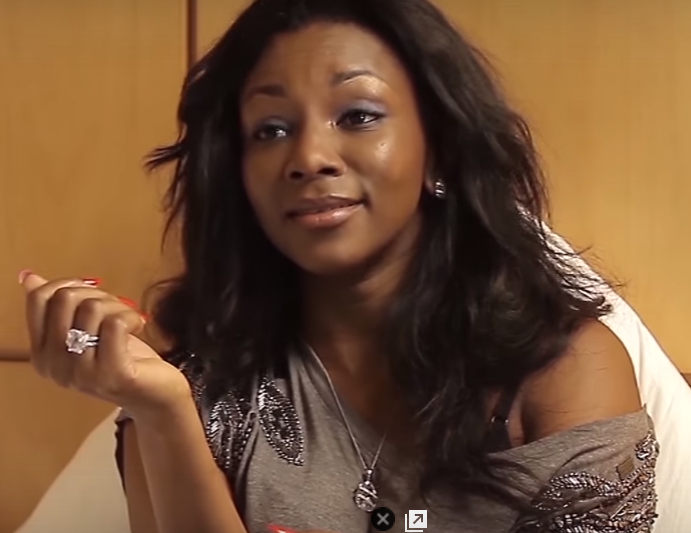
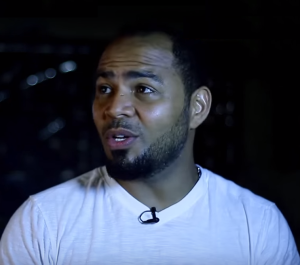
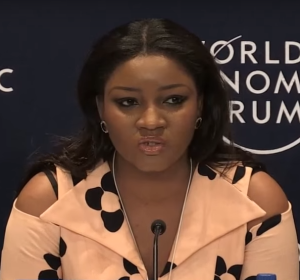
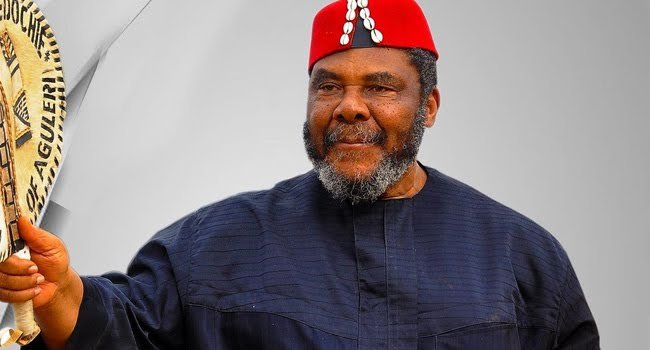
Genevieve Nnaji became a Nollywood star in the late 1990s at an age when most teenagers are thinking about secondary school exams. By her late twenties she was the industry’s most commercially reliable leading actress and one of the most recognisable faces in West African popular culture. Her 2018 film Lionheart, which she directed, became Netflix’s first original film acquisition from Nigeria, marking her move from acting to directing on the world’s largest streaming platform.
Born on 3 May 1979 and raised in Lagos, Genevieve Nnaji began acting as a child before her teenage breakout. Over the following decades she became one of the most bankable and selective leading actresses in the industry. She has kept her private life largely out of public view even at the height of her fame.
Why she matters: more than most of her peers, Nnaji’s career tracks Nollywood’s own journey, from the straight-to-video boom of the late 1990s, through the industry’s first formal award structures in the 2000s, to the streaming and international-festival era of the 2010s. She was among the first Nigerian screen actors treated as an auteur abroad, and Lionheart became a template that later Nigerian filmmakers followed onto global platforms. This profile sets out what is firmly established about her, what is only reported, and what remains private.
Key facts
Full name
Genevieve Nnaji
Date of birth
3 May 1979
Age (2026)
47
Birthplace
Mbaise, Imo State, Nigeria
Heritage
Igbo
Occupation
Actress, producer, director, fashion entrepreneur
National honour
MFR (Member of the Order of the Federal Republic), 2011
Directorial debut
Lionheart (2018, Netflix original)
Fashion line
St. Genevieve (since 2008)
Background and family
Genevieve Nnaji was born on 3 May 1979 in Mbaise, Imo State, and moved with her family to Lagos as a child. She is widely reported to be the eighth of nine children, and grew up in the Lagos mainland environment that produced much of Nollywood’s classical-era talent. Her family is Catholic, and she has spoken in interviews about her mother as an anchoring figure through a career she began as a teenager.
What is firmly established about her private life is that she has a daughter, publicly known as Damilola, born in 1997 when Nnaji was a teenager; she has discussed early motherhood in interviews and how it shaped her discipline in her early career. Beyond that, she is notably private. She has not publicly confirmed a romantic relationship since the early 2010s, and reports linking her to various public figures have not been confirmed by her. She is understood to be based mainly in Lagos, and has spoken about experiencing burnout during the high-volume years of her career, describing her relative quietness on social media as a deliberate choice. Claims about her beyond these points are best treated with caution unless she has confirmed them herself.
Career timeline
Nnaji began performing as a child, appearing in the long-running NTA soap opera Ripples, which gave her scripted-drama experience before her teens. She made her first commercial Nollywood film appearance in Most Wanted (1998), and through the early 2000s built one of the deepest filmographies of any actress of her generation. Her performance in Mama Sunday won her the inaugural Africa Movie Academy Award (AMAA) for Best Actress in a Leading Role, the first time that award was presented. Through the mid-2000s she appeared alongside Ramsey Nouah, Omotola Jalade-Ekeinde and Richard Mofe-Damijo in a run of productions that defined the Lagos romantic-drama template of that era.
In 2010, during a segment on her syndicated talk show that highlighted Nollywood as one of the world’s largest film industries by output, Oprah Winfrey described Nnaji as “the Julia Roberts of Africa”. The phrase became the most-quoted shorthand for her recognition outside specialist African media, even as some Nigerian commentators criticised it as a reductive Western frame. In 2011 the Federal Government awarded her the Member of the Order of the Federal Republic (MFR) for her contributions to Nigerian cinema. Her 2014 lead role in Biyi Bandele’s adaptation of Chimamanda Ngozi Adichie’s Half of a Yellow Sun, opposite Thandiwe Newton and Chiwetel Ejiofor, placed her in an international co-production for the first time.
Her directorial debut, Lionheart (2018), premiered at the Toronto International Film Festival and was acquired by Netflix, which described it as its first original film from Nigeria. Nigeria submitted it for the Academy Award for Best International Feature Film, but the Academy disqualified it in November 2019 because most of its dialogue is in English. The decision, reported at the time by international outlets including Variety and the BBC, drew a widely shared response from American director Ava DuVernay, who questioned whether the language rule fit the realities of filmmaking in formerly colonised countries; Nnaji herself wrote that the ruling “supports our long-standing call for film criteria that better reflects the global film community”. The episode fed into later Academy debates about the criterion.
Selected works
A selection of the credits most often associated with her career, from her film breakout to her directorial debut.
Year
Film
Note
1998
Most Wanted
Early film breakout
2002
Sharon Stone
Classical-era lead
2004
Last Wedding
Lead role
2005
Mama Sunday
Won inaugural AMAA Best Actress
2010
Ijé: The Journey
With Omotola Jalade-Ekeinde
2014
Half of a Yellow Sun
International co-production
2015
Road to Yesterday
Lead and producer
2018
Lionheart
Director and lead; Netflix original
Awards and honours
2005, Africa Movie Academy Award, Best Actress in a Leading Role (inaugural winner), for Mama Sunday
2011, Member of the Order of the Federal Republic (MFR), national honour for contributions to Nigerian cinema
2018, Lionheart selected as Nigeria’s submission for the Academy Award for Best International Feature Film
Multiple Africa Magic Viewers’ Choice and City People Entertainment award nominations across her career
Business interests and reported net worth
Outside acting, Nnaji founded the fashion line St. Genevieve in 2008, producing seasonal ready-to-wear collections for the Nigerian and West African market. She has also held long-term endorsement deals over her career, reported to include Etisalat (later 9mobile), Lux and Range Rover, which became a steadier commercial base as her acting calendar grew more selective from the mid-2010s.
On net worth, it is worth being clear about what is and is not known. No verified personal financial statement is public. Figures that circulate in Nigerian and international media place her net worth in the region of several million dollars, but these are estimates assembled from visible income sources, acting fees, her Lionheart production stake, the fashion line and endorsements, rather than confirmed accounts. They should be read as indicative, not exact.
Questions readers ask
How old is Genevieve Nnaji in 2026? Born 3 May 1979 in Mbaise, Imo State, she turned 47 in 2026. She is Igbo and grew up in Lagos.
Did Genevieve Nnaji win an AMAA? Yes. She won the first-ever Africa Movie Academy Award for Best Actress in a Leading Role, in 2005, for Mama Sunday.
What is Lionheart? Her 2018 directorial debut, acquired by Netflix as its first original film from Nigeria. Nigeria submitted it for the Best International Feature Oscar, but the Academy disqualified it in 2019 because most of its dialogue is in English.
What is St. Genevieve? Her fashion line, founded in 2008, producing seasonal ready-to-wear collections for the Nigerian and West African market.
What is Genevieve Nnaji’s net worth? No verified figure is public. Media estimates put it in the millions of dollars based on her visible income sources, but these are estimates, not confirmed accounts.
Conclusion
Genevieve Nnaji was one of the faces that carried Nollywood into international recognition. She became a star during the industry’s golden era. Her presence helped raise its profile abroad.
Her directorial debut Lionheart, acquired by Netflix, marked a milestone for the global reach of Nigerian film. It was a significant moment for the industry’s international ambitions. The film underlined her creative range beyond acting.
Admired for her craft and her selectivity, she remains one of Nollywood’s most respected figures. She has been careful about the projects she takes on. Her standing in the industry is widely acknowledged.
References
Netflix, Lionheart (2018) title page and press announcement
Africa Movie Academy Awards, 2005 Best Actress record
Variety and BBC coverage of the 2019 Academy disqualification of Lionheart
Premium Times and BellaNaija, career and interview coverage
Max Adeyemi is a Lagos-based writer covering Nigerian and African entertainment, sport, business, and culture. He has spent over a decade tracking the careers, controversies, and quiet achievements of the people who move the culture. He writes all profiles on Nolly.