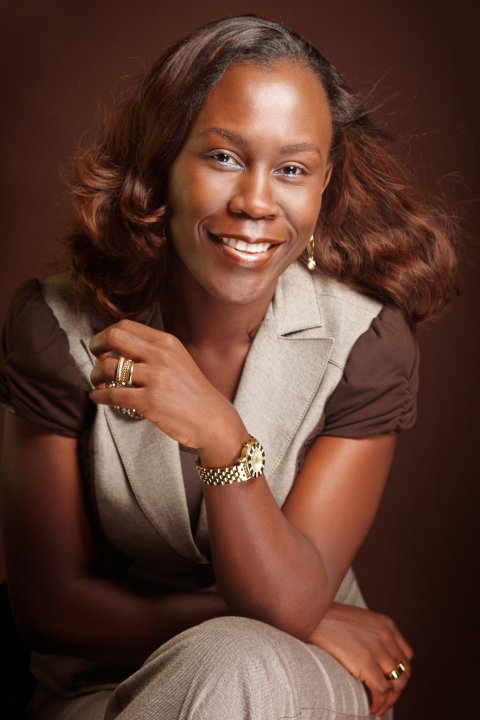
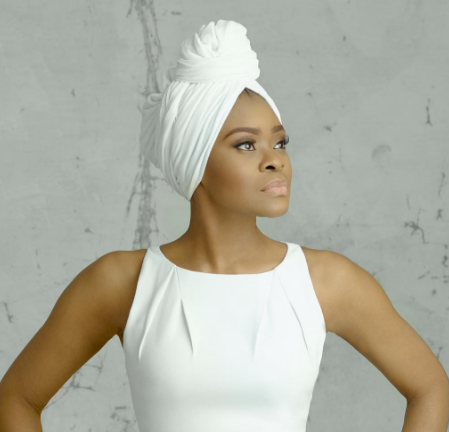
Tara Fela-Durotoye founded House of Tara in 1998 with an idea that was more radical than it now appears: that Nigerian women deserved makeup designed for their actual skin tones. The imported brands dominating the Nigerian beauty market in the early 2000s stopped their darkest foundation ranges well short of the skin tones common in West Africa. She built her colour range from the deepest shades inward. The franchise network she built around that philosophy eventually grew to include over 10,000 beauty entrepreneurs across Nigeria, making it as much a women’s economic development story as a beauty story.
A trained lawyer who turned to beauty, she helped formalise makeup artistry as a genuine profession in Nigeria. The academies and franchise network she built turned informal work into steady employment for thousands of women. That model combined business ambition with a clear social purpose.
Her blend of entrepreneurship and advocacy has made her one of the most influential figures in African beauty. She has become a role model for women building businesses in the sector.
At a glance
Full name
Tara Fela-Durotoye
Born
16 September 1975, Lagos
Profession
Beauty entrepreneur, makeup artist, author
Net worth (est.)
$2 million to $5 million
Company
House of Tara International
First
Nigeria’s first structured bridal makeup business
Early life and education
Tara was born in Lagos and demonstrated entrepreneurial tendencies from an early age. She attended the University of Lagos, where she obtained a degree in Law. While practising as a lawyer was the conventional post-graduation path, she recognised a gap in the Nigerian beauty market for structured, high-quality makeup services and pivoted decisively into entrepreneurship.
She founded House of Tara in 1998 when organised bridal beauty services were virtually non-existent in Nigeria. At the time, weddings were a growing market but the beauty industry lacked the professionalism, training standards, or retail presence that comparable markets in the West had developed over decades.
Building House of Tara
Tara Fela-Durotoye grew House of Tara from a one-woman bridal makeup service into a multi-location beauty training and retail brand. She introduced franchise structures that allowed trained makeup artists to operate House of Tara branded businesses across Nigeria, giving the brand national coverage without requiring central capital expenditure for each location. This franchise model was innovative in the Nigerian beauty space and has since been replicated by competitors.
The House of Tara product line includes makeup and skincare products formulated for African skin tones, a market that global beauty brands historically underserved. The brand’s emphasis on shade inclusivity for darker complexions positioned it ahead of international competitors in the Nigerian market. Tara has spoken extensively about the importance of building products with African women in mind from the outset rather than as an afterthought.
Advocacy and influence
Beyond her business, Tara Fela-Durotoye is a prominent voice on women’s economic empowerment in Nigeria. She has mentored thousands of women through the House of Tara training academy and has spoken at TEDx events, business conferences, and government forums on entrepreneurship and the beauty economy. She took a prominent public role in the 2019 election cycle, signalling an engagement that extends beyond the private sector.
Net worth and business performance
Tara Fela-Durotoye’s net worth is estimated at between $2 million and $5 million. Her wealth reflects over two decades of building House of Tara from scratch into a brand with national franchise coverage, product retail, and training operations. She also earns from public speaking, authorship, and brand partnerships.
Life beyond the spotlight
Tara is married to Fela Durotoye, a prominent Nigerian motivational speaker and leadership coach. They have three sons. The couple are well-known figures in Nigerian Christian business circles and frequently speak together at events on faith, marriage, and entrepreneurship.
Public life and political ambition
The 2019 campaign was unusual in several respects. Her husband, Fela Durotoye, stood as the presidential candidate of the Alliance for New Nigeria and she campaigned publicly alongside him, making them one of the most high-profile couples active in a single Nigerian election cycle. Their decision to enter politics was framed as a continuation of the same philosophy: that systemic change requires building institutions, not just criticising existing ones.
Though the bid did not succeed, it raised her public profile significantly and opened new conversations about the role of entrepreneurs in Nigerian governance. She has since returned to her core work in beauty, brand-building, and women’s empowerment, but the experience of a national campaign clearly shaped how she talks about market access, regulation, and economic opportunity for small business owners. Her speeches and public interviews since 2019 have taken on a more structural, policy-aware tone that reflects a businesswoman who studied government from the inside.
Why Tara Fela-Durotoye matters
Tara Fela-Durotoye is regarded as a pioneer of Nigeria’s professional beauty industry. Through House of Tara she helped formalise bridal makeup as a career, ran early makeup academies that trained many practitioners, and built a nationwide network of representatives, turning what had been informal work into a structured business that employed large numbers of Nigerian women.
Frequently asked questions
What is House of Tara International?
House of Tara International is a Nigerian beauty brand founded by Tara Fela-Durotoye in 1998. It began as a bridal makeup service and grew into a chain of beauty studios, a franchise network, a makeup product line formulated for African skin tones, and a professional beauty training academy.
What degree did Tara Fela-Durotoye study?
Tara studied Law at the University of Lagos. Rather than practising as a lawyer, she applied her analytical and entrepreneurial instincts to the beauty industry, where she saw a significant market gap that formal training and business structure could fill.
How did Tara Fela-Durotoye grow House of Tara?
She scaled House of Tara through a franchise model that allowed trained makeup artists to operate branded studios across Nigeria. This approach gave the business national reach without requiring Tara to personally fund each new location, and it also created economic opportunities for the women who trained and ran the franchise studios.
Did Tara Fela-Durotoye run for political office?
Yes. In 2019, Tara Fela-Durotoye ran in the Ogun State gubernatorial election. While she was not successful, her candidacy was widely covered as a landmark moment for women in Nigerian politics and demonstrated that her ambitions extended well beyond the beauty industry.
Who is Tara Fela-Durotoye’s husband?
Tara is married to Fela Durotoye, a Nigerian motivational speaker and leadership coach who has his own national profile as a business trainer and former presidential aspirant. Together they are a prominent couple in Nigerian Christian business and leadership circles.
Conclusion
She read Law at the University of Lagos and qualified before deciding the more interesting gap was in beauty rather than litigation. In 1998, organised bridal beauty services barely existed in Nigeria as a formal trade. She built the business that filled that gap out of a single bridal makeup service.
The franchise structure is what turned it into a national brand. Trained artists could operate House of Tara branded businesses of their own, so the network expanded without central capital going into every location. Competitors have since copied the model.
The product line was formulated for African skin tones from the outset rather than as a later addition, which put it ahead of the international brands then serving the Nigerian market. Away from the business she is married to the leadership coach Fela Durotoye and they have three sons. She continues to speak at TEDx events, business conferences and government forums on the beauty economy and women’s economic participation.
Sources consulted
Information draws on profiles and interviews published by This Day Style, Vanguard, The Punch, and Guardian Nigeria, as well as TEDx event recordings and House of Tara International official communications.
Max Adeyemi is a Lagos-based writer covering Nigerian and African entertainment, sport, business, and culture. He has spent over a decade tracking the careers, controversies, and quiet achievements of the people who move the culture. He writes all profiles on Nolly.