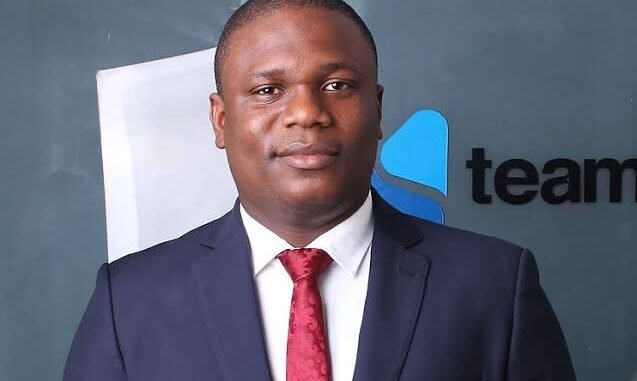
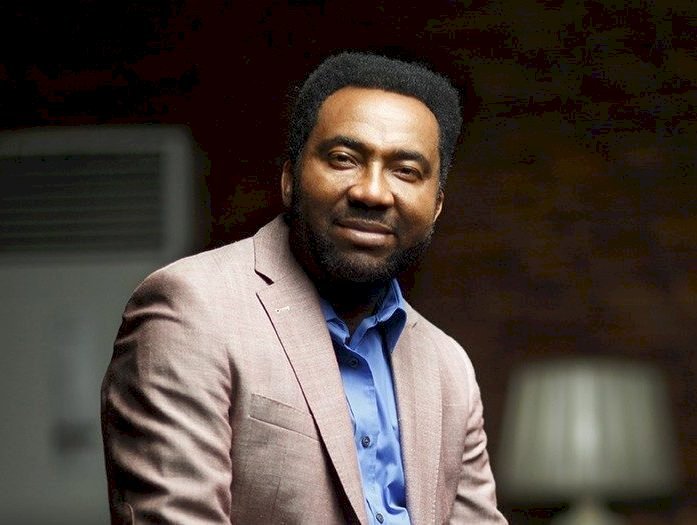
Olugbenga “GB” Agboola built Flutterwave around an insight that was not obvious from outside Africa: that the primary obstacle to cross-border commerce on the continent was not the absence of willing buyers and sellers but the absence of reliable payment infrastructure connecting them. His solution was not to build a new payment system but to build a unified layer on top of the fragmented national systems that already existed. That architectural choice, faster, cheaper, and more politically sustainable than building from scratch, scaled into one of the continent’s most valuable fintech companies.
Rather than build a new payment system, he built a unified layer on top of Africa’s fragmented national systems. That architectural choice scaled Flutterwave into one of the continent’s most valuable fintech companies. Its rise to a multi-billion-dollar valuation attracted major global investors.
His work has helped position African fintech on the world stage. He has navigated the challenges of scaling across many markets and regulatory regimes.
At a glance
Full name
Olugbenga Agboola
Known as
GB Agboola
Born
1985, Lagos, Nigeria
Profession
Tech entrepreneur, CEO
Net worth (est.)
$100 million to $300 million
Company
Flutterwave
Milestone
Flutterwave valued at over $3 billion (2022)
Background and education
Olugbenga Agboola was born in Lagos in 1985 and read electrical engineering at Obafemi Awolowo University in Ile-Ife. He later took MBAs at the MIT Sloan School of Management and at Oxford’s Said Business School. His career ran through the back offices of Nigerian banking before it reached fintech: enterprise infrastructure work at Guaranty Trust Bank from 2005, product and project roles at Standard Bank and Stanbic IBTC between 2010 and 2014, and a spell as head of digital factory and innovation at Access Bank. He also worked as an application engineer at PayPal and in product management on Google Wallet.
He returned to Nigeria and co-founded Flutterwave in 2016 alongside Iyinoluwa Aboyeji, Adeleke Adekoya, and other partners. The company’s founding thesis was that Africa’s payment infrastructure was too fragmented, with different countries using incompatible systems that made cross-border transactions unnecessarily complex and expensive. Flutterwave would build the infrastructure to unify African payments.
Building Flutterwave
Flutterwave was founded in Lagos in May 2016. Agboola started as its chief technology officer and took over as chief executive in October 2018. The company grew rapidly by signing major global companies as clients and expanding across African markets. Its API-driven payment infrastructure allowed businesses to accept payments in multiple African currencies and countries through a single integration, solving the fragmentation problem that had frustrated international companies attempting to operate across Africa. Clients including Uber, Facebook, and Booking.com adopted Flutterwave to process their African transaction volumes.
The company raised successive funding rounds at rapidly increasing valuations, including a $170 million Series C round in 2021 that valued it at $1 billion and Series D funding in 2022 that pushed the valuation above $3 billion. Agboola was named to Fortune’s 40 Under 40 in 2020 and TIME’s Next 100 in 2021, and received the national honour of Officer of the Order of the Niger in 2022. These raises made Flutterwave Africa’s most valuable fintech startup and one of the continent’s most prominent private companies.
Controversies and challenges
Flutterwave has faced regulatory scrutiny in Kenya and Nigeria, with some accounts temporarily frozen by regulators investigating compliance with anti-money laundering and know-your-customer requirements. Agboola has maintained that the company operates with full legal compliance and has worked with regulators to resolve outstanding questions. The regulatory attention reflects the heightened scrutiny that Africa’s largest fintech companies face as their transaction volumes grow.
Net worth and wealth
Olugbenga Agboola’s net worth is estimated at between $100 million and $300 million, reflecting his equity stake in Flutterwave at its peak valuation. The precise figure depends on Flutterwave’s current valuation and the specific equity structure of the company, details that have not been publicly disclosed in full.
Industry role
Agboola is one of the most prominent voices in the African fintech ecosystem and regularly speaks at technology and finance conferences about the opportunities and challenges of building payment infrastructure in Africa. He is an active participant in policy discussions about financial regulation, cross-border payments, and the digitisation of African economies.
Why Olugbenga Agboola matters
Olugbenga Agboola is co-founder and chief executive of Flutterwave, which grew into one of Africa’s most valuable startups by building payment infrastructure used by businesses across the continent, reaching a multi-billion-dollar valuation.
Reader questions
What does Flutterwave do?
Flutterwave provides payment infrastructure that allows businesses to accept payments across multiple African countries and currencies through a single integration. Its API-driven platform serves major global companies including Uber, Facebook, and Booking.com and processes billions of dollars in transactions annually across African markets.
What is Flutterwave’s valuation?
Flutterwave’s peak private valuation reached over $3 billion following a Series D funding round, making it one of Africa’s most valuable private technology companies. It was among the first African fintech startups to achieve “decacorn” status, with a valuation above $1 billion.
Where did GB Agboola work before Flutterwave?
He worked in enterprise infrastructure at Guaranty Trust Bank from 2005, in technology product roles at Standard Bank and Stanbic IBTC from 2010 to 2014, and as head of digital factory and innovation at Access Bank, alongside stints as an application engineer at PayPal and in product management on Google Wallet. That mix of African banking experience and global fintech exposure gave him the technical expertise and industry network that supported Flutterwave’s rapid growth.
Has Flutterwave faced regulatory issues?
Yes. Flutterwave has faced regulatory scrutiny in Kenya and Nigeria, with regulators investigating compliance with anti-money laundering and know-your-customer requirements. The company has maintained that it operates within legal frameworks and has worked with regulators to resolve outstanding concerns. The scrutiny reflects the heightened regulatory attention that Africa’s largest fintech companies face as they grow.
Where is GB Agboola from?
GB Agboola was born in Lagos in 1985 and read electrical engineering at Obafemi Awolowo University, later taking MBAs at MIT Sloan and Oxford’s Said Business School, before building an international technology career. He is based between Nigeria and the United States and is closely associated with the Lagos and San Francisco startup ecosystems.
Conclusion
He read electrical engineering at Obafemi Awolowo University and later took MBAs at MIT Sloan and Oxford’s Said Business School. The working years ran through Nigerian banking, at Guaranty Trust Bank, Standard Bank and Access Bank, with spells at PayPal and on Google Wallet. He co-founded Flutterwave in May 2016 with Iyinoluwa Aboyeji, Adeleke Adekoya and others, joining as chief technology officer and becoming chief executive in October 2018.
The product let a business accept payments in several African currencies and countries through one integration, which is what international companies had been unable to arrange for themselves. Uber, Facebook and Booking.com routed African transaction volume through it. A Series C in 2021 valued the company at a billion dollars and a Series D pushed it past three.
Scale brought regulatory attention in both Kenya and Nigeria, with some accounts frozen while anti-money-laundering and know-your-customer compliance was examined. He has maintained that the company operates within the law and has worked through the questions with regulators. He is now a regular voice in policy discussions on cross-border payments and financial regulation across the continent.
References
His 1985 birth in Lagos, the electrical engineering degree from Obafemi Awolowo University and the MIT Sloan and Oxford Said MBAs are recorded in the Wikipedia biography of Olugbenga Agboola. The earlier career at Guaranty Trust Bank, Standard Bank and Stanbic IBTC, Access Bank, PayPal and Google Wallet is documented in his professional records as collated by The Org and Clay. Flutterwave was founded in May 2016 with Iyinoluwa Aboyeji; he became chief executive in October 2018. The $170 million Series C in 2021, the 2020 Fortune 40 Under 40 listing, the 2021 TIME Next 100 listing and the 2022 Officer of the Order of the Niger honour are from the same Wikipedia record. Net worth figures are third-party estimates and are not verified.
Max Adeyemi is a Lagos-based writer covering Nigerian and African entertainment, sport, business, and culture. He has spent over a decade tracking the careers, controversies, and quiet achievements of the people who move the culture. He writes all profiles on Nolly.