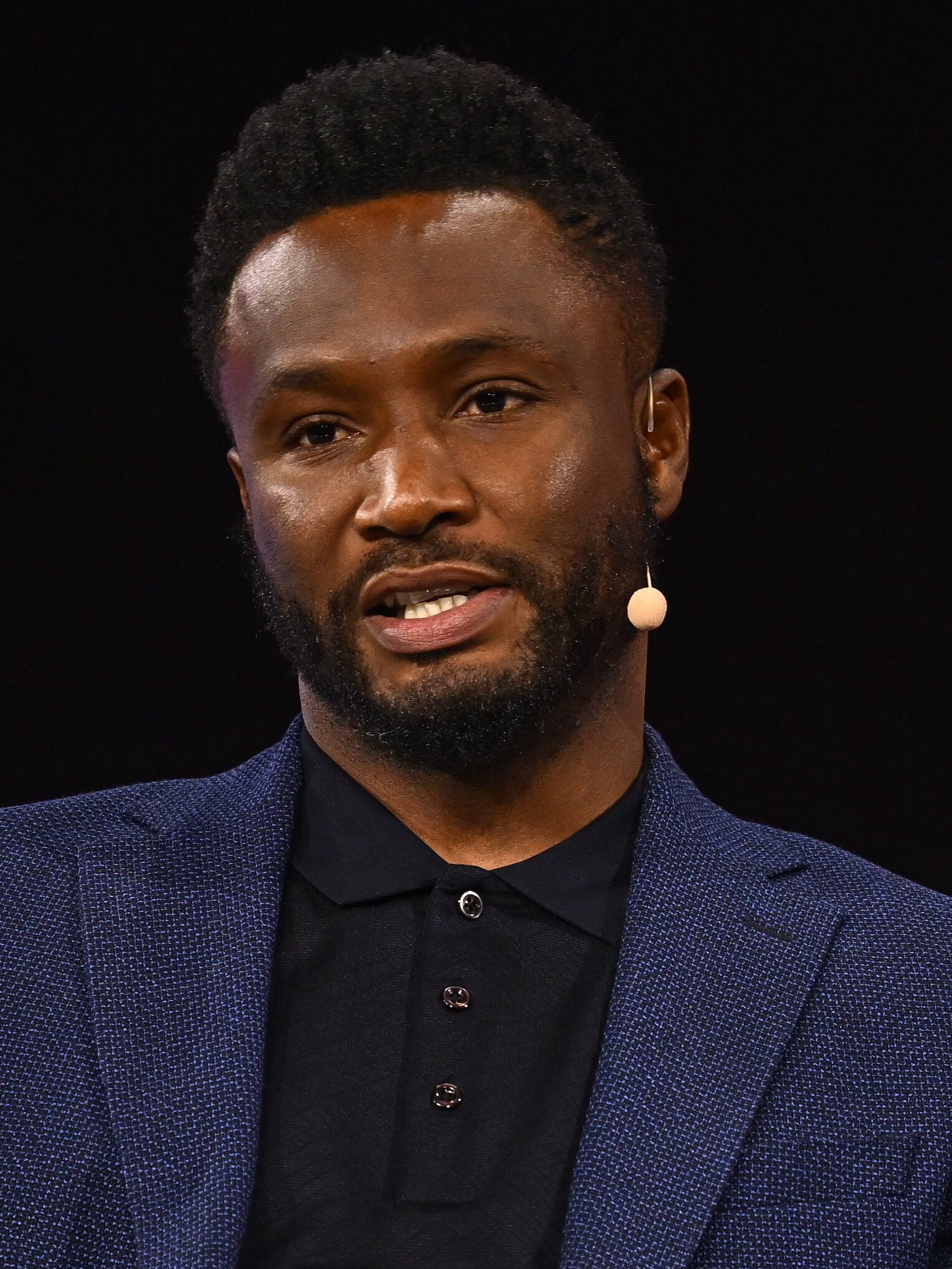
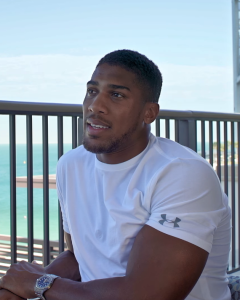
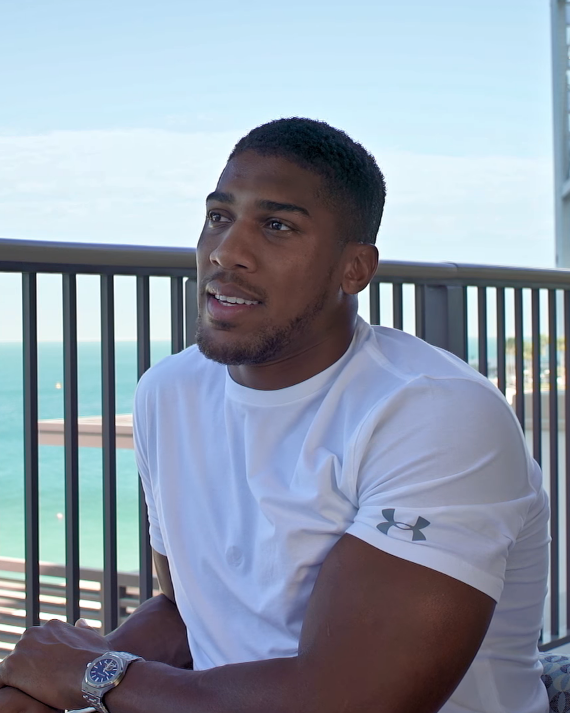
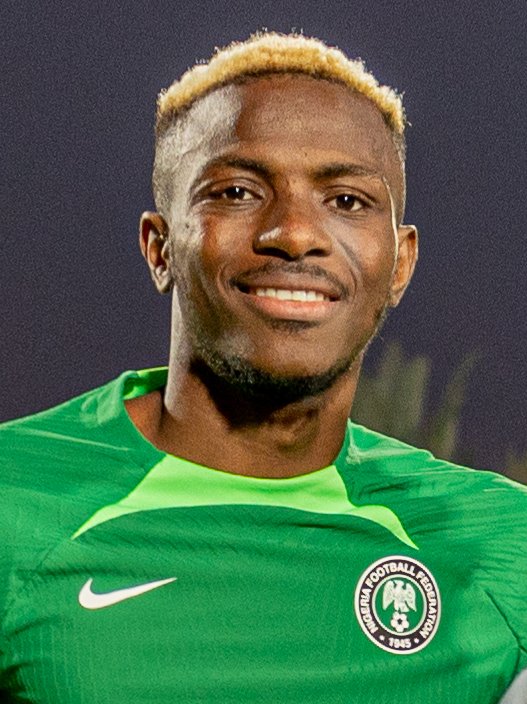
John Obi Mikel played for Chelsea for eleven years, won the UEFA Champions League, the FA Cup, and the Europa League, and was for much of that time one of the most underappreciated midfielders in the Premier League. His job, protecting the defence, breaking up attacks, recycling possession, was unglamorous by design, and he executed it with such consistency that casual fans often failed to notice what he was doing until he wasn’t there. Nigeria’s most-capped player of his generation, he also captained the Super Eagles to the 2013 Africa Cup of Nations.
John Michael Nchekwube Obinna was born on 22 April 1987 in Jos, Plateau State, and learned the game in the informal football environment of middle-belt Nigeria before attracting the attention of scouts who sent him to Europe. His path to Chelsea was famously complicated: Manchester United also believed they had signed him in 2006, and the dispute between the two English clubs over his transfer required FIFA mediation before it was resolved in Chelsea’s favour.
As Nigeria’s national team captain, he lifted the 2013 Africa Cup of Nations trophy in South Africa, winning the tournament’s Best Player award. He also led the Super Eagles to a silver medal at the 2016 Rio Olympics, a remarkable achievement given that Nigeria fielded an under-23 squad against full international sides in the knockout rounds. He retired from professional football in 2023 and has since been involved in football development and media work in Nigeria.
Key facts
Full name
John Michael Nchekwube Obinna (known as Mikel Obi)
Date of birth
22 April 1987
Birthplace
Jos, Plateau State
Nationality
Nigerian
Position
Defensive / central midfield
International caps
91 (Super Eagles)
Major clubs
Chelsea (2006 to 2017), Tianjin TEDA (2017 to 2019), Trabzonspor, Middlesbrough
Major trophies
Premier League, 2x FA Cup, League Cup, Champions League (2012), Europa League, 2013 AFCON
Retired
2023
Net worth estimate (2026)
~$45m to $55m (multiple financial sources; estimate, not verified)
Early life and path to Europe
John Obi Mikel was born in Jos, the capital of Plateau State, on 22 April 1987. Jos in the late 1980s and 1990s was a city of significant cultural diversity and also of growing inter-communal tension, but for young Mikel it was first and foremost the environment where he learned to play football in the neighbourhood and school settings that produce most of Nigerian football’s professional talent.
He attended secondary school in Jos and was identified as an exceptional talent while playing in local youth competitions. He subsequently trained at the Julius Berger FC academy before being selected for the Nigerian national youth team. His performances at the 2005 FIFA World Youth Championship in the Netherlands, where Nigeria reached the final, brought him to the attention of European clubs and resulted in the transfer saga that would define his transition to professional football.
Both Chelsea and Manchester United claimed to have signed him in 2006, with rival agents and club representatives each asserting priority. FIFA investigated and ultimately awarded the transfer to Chelsea, with Manchester United receiving compensation. Mikel joined Chelsea as one of the most scrutinised teenage signings in Premier League history that summer.
Chelsea career
Mikel spent eleven seasons at Stamford Bridge between 2006 and 2017, making 372 appearances for the club. He won the Premier League twice, in 2010 and 2015, two FA Cups, one League Cup, one UEFA Champions League in 2012, and one Europa League. The Champions League victory over Bayern Munich in Munich in May 2012 was the peak of his club career: Chelsea were heavy underdogs in the final and won on penalties, with Mikel playing the full 120 minutes in a defensive midfield display of extraordinary composure.
Under managers including Jose Mourinho, Carlo Ancelotti, and Roberto Di Matteo, Mikel adapted his role as required. He was rarely the most celebrated member of any Chelsea squad, but his coaches consistently noted his intelligence in reading the game, his technical discipline under pressure, and his capacity to set the tempo of possession phases. Mourinho, who worked with him twice, described him publicly as one of the most important members of any squad he managed.
After leaving Chelsea in 2017, he had spells at Tianjin TEDA in China, Trabzonspor in Turkey, and Middlesbrough in England, before retiring from professional football in 2023. Those final years showed a player more willing to take creative risks than his Chelsea discipline had allowed, and his performances at Trabzonspor in particular earned positive assessments from Turkish football media.
International career
John Obi Mikel made 91 appearances for Nigeria’s senior national team, the Super Eagles, including the 2013 Africa Cup of Nations, which Nigeria won by defeating Burkina Faso in the final in Johannesburg. Mikel was named the tournament’s Best Player, an award that recognised his control of midfield across the tournament’s seven matches. It was Nigeria’s third AFCON title and their most recent as of 2026.
At the 2016 Rio Olympics, as captain of Nigeria’s under-23 squad, he led the team to a silver medal after a series of results that defied expectation, including victories over Germany and Denmark in the group stage. The team lost the final to Brazil but their overall performance was one of the most celebrated in the history of Nigerian football at the Olympics.
Personal background
John Obi Mikel has been in a long-term relationship with Olga Diyachenko, with whom he has twin daughters named Ava and Mia. The family has been based primarily in the United Kingdom, and he has maintained a private domestic life throughout his playing career and into retirement. His social media presence is relatively reserved compared to many of his contemporaries in football.
After retiring from professional football, he has spoken about his interest in football development work in Nigeria and has been involved in the Mikel Obi Academy, which identifies and trains young Nigerian players. He has also appeared as a pundit and analyst on football broadcasting platforms covering African and international football.
Awards and recognition
John Obi Mikel won the 2013 AFCON Best Player award, the Premier League twice, the UEFA Champions League, the UEFA Europa League, two FA Cups, and a League Cup with Chelsea. He was a member of the 2005 FIFA World Youth Championship final squad with Nigeria. He received recognition from the Nigerian government for his contribution to Nigerian sport and was honoured at state events following the 2013 AFCON victory.
He is consistently listed among the greatest Nigerian footballers of all time alongside Jay-Jay Okocha, Nwankwo Kanu, and Rashidi Yekini. His capacity to win at the highest level of club football while also contributing to the most significant era of Nigerian national team success makes him a central figure in any historical account of the Super Eagles.
Reported net worth
John Obi Mikel’s net worth is estimated at between $45 million and $55 million by multiple financial sources covering African sports figures. The figure reflects eleven seasons of Premier League wages at Chelsea, where senior squad members in his era earned substantial weekly salaries supplemented by win bonuses and image rights income. His subsequent contracts in China and Turkey, where wages for experienced Premier League players are typically high, added further to his career earnings.
He has made real estate investments in Nigeria and the UK and has interests in the football development space that represent newer income streams post-retirement. His carefully managed public profile, combined with his sporting achievements, make him one of the more commercially credible Nigerian athletes for brand partnerships targeting both African and international audiences.
People also ask
What is John Obi Mikel’s full name?
His full name is John Michael Nchekwube Obinna. He is professionally known as Mikel Obi or John Obi Mikel. He was born on 22 April 1987 in Jos, Plateau State, and is of Nigerian nationality with Igbo heritage.
What trophies did Mikel win at Chelsea?
During his eleven seasons at Chelsea (2006 to 2017), he won the Premier League twice, two FA Cups, one League Cup, the UEFA Champions League (2012), and the UEFA Europa League. He is one of the most decorated Nigerian footballers in European club history.
What did Nigeria win with Mikel as captain?
Nigeria won the 2013 Africa Cup of Nations, with Mikel named the tournament’s Best Player. He also captained the under-23 squad to an Olympic silver medal at the 2016 Rio Games, where Nigeria defeated Germany in the group stage before losing the final to Brazil.
What is Mikel doing after retiring?
Since retiring from professional football in 2023, he has been involved in the Mikel Obi Academy for young Nigerian players, appeared as a football pundit and analyst on broadcasting platforms, and has spoken publicly about his interest in football development work in Nigeria.
What is John Obi Mikel’s net worth?
Multiple financial sources estimate his net worth at between $45 million and $55 million, built from eleven seasons of Premier League wages at Chelsea, subsequent high-earning contracts in China and Turkey, image rights income, real estate investments, and post-retirement football development and media work.
Conclusion
John Obi Mikel was among the most decorated Nigerian footballers of his generation. Reinvented as a deep-lying midfielder at Chelsea, he built his game on intelligence and composure. That role made him invaluable to club and country.
He won the Champions League with Chelsea and captained the Super Eagles for years. He bridged the club and international games at the highest level. His leadership was as valued as his technical ability.
His youth-tournament battles alongside a young Lionel Messi first brought him to global attention. His career spanned major honours across more than a decade. He remains an icon of the modern Nigerian game.
Further reading
Information in this profile draws on reporting and data from UEFA records, Premier League statistics, Forbes Africa, CAF (Confederation of African Football) awards records, FIFA World Youth Championship records, BBC Sport, and The Guardian Sport.
Max Adeyemi is a Lagos-based writer covering Nigerian and African entertainment, sport, business, and culture. He has spent over a decade tracking the careers, controversies, and quiet achievements of the people who move the culture. He writes all profiles on Nolly.