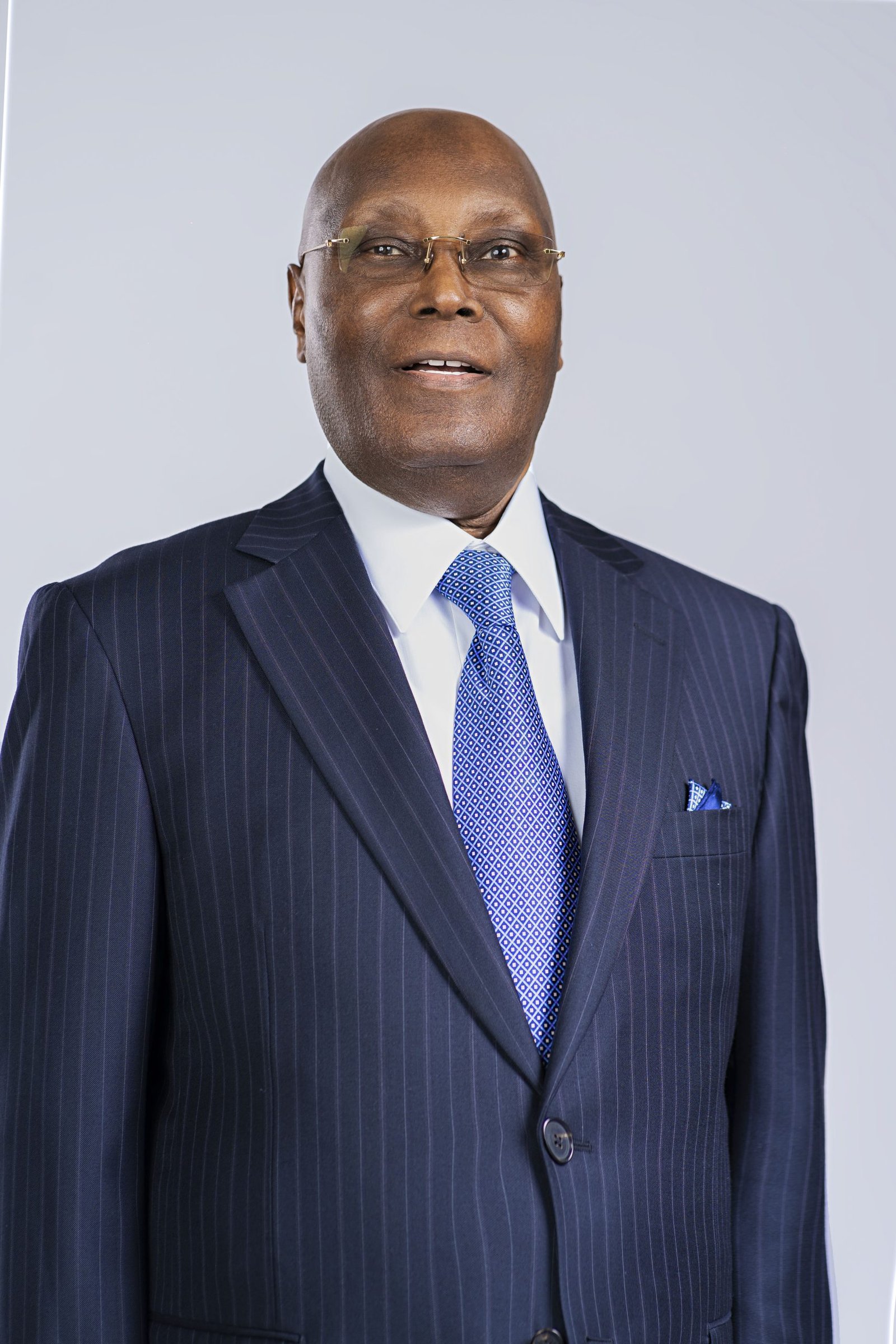
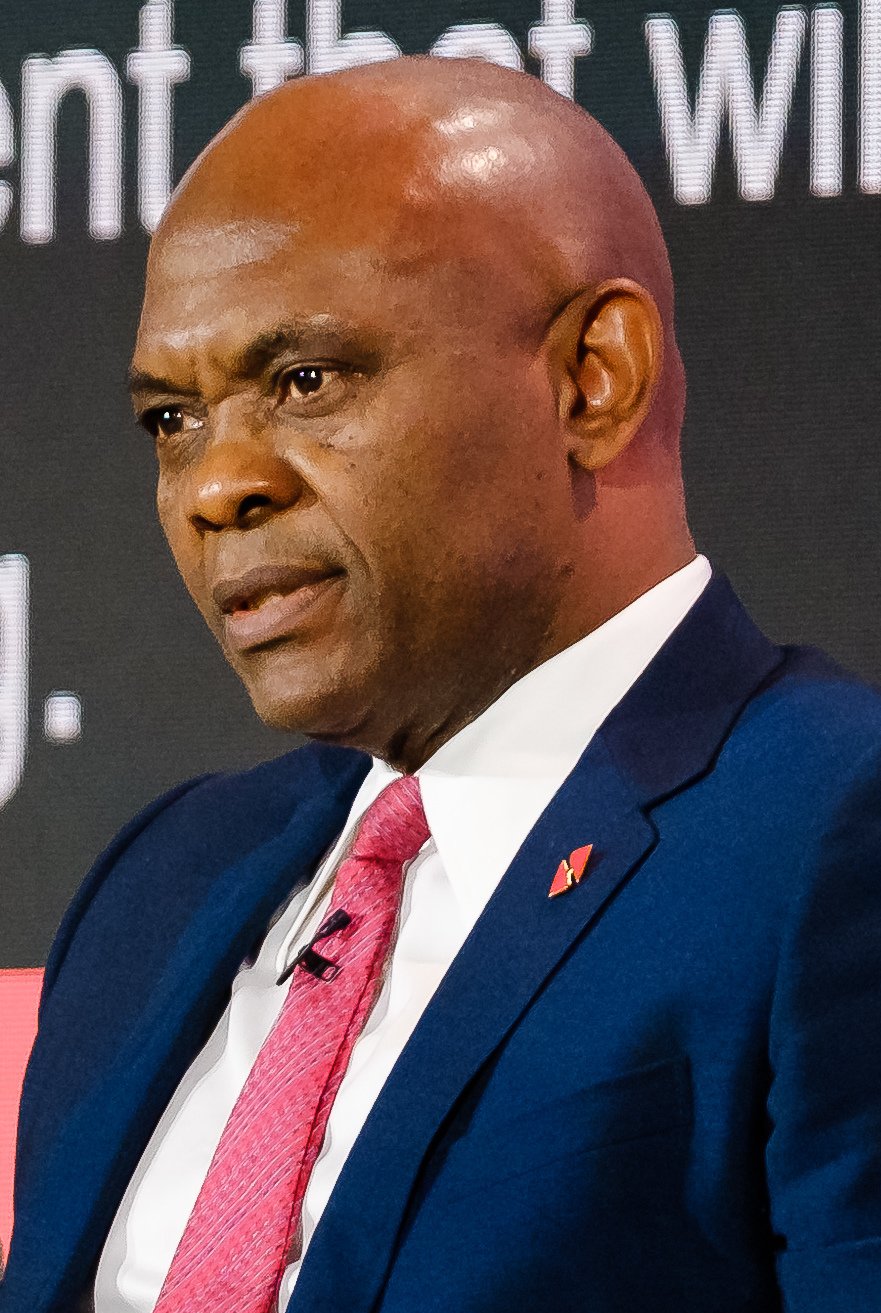
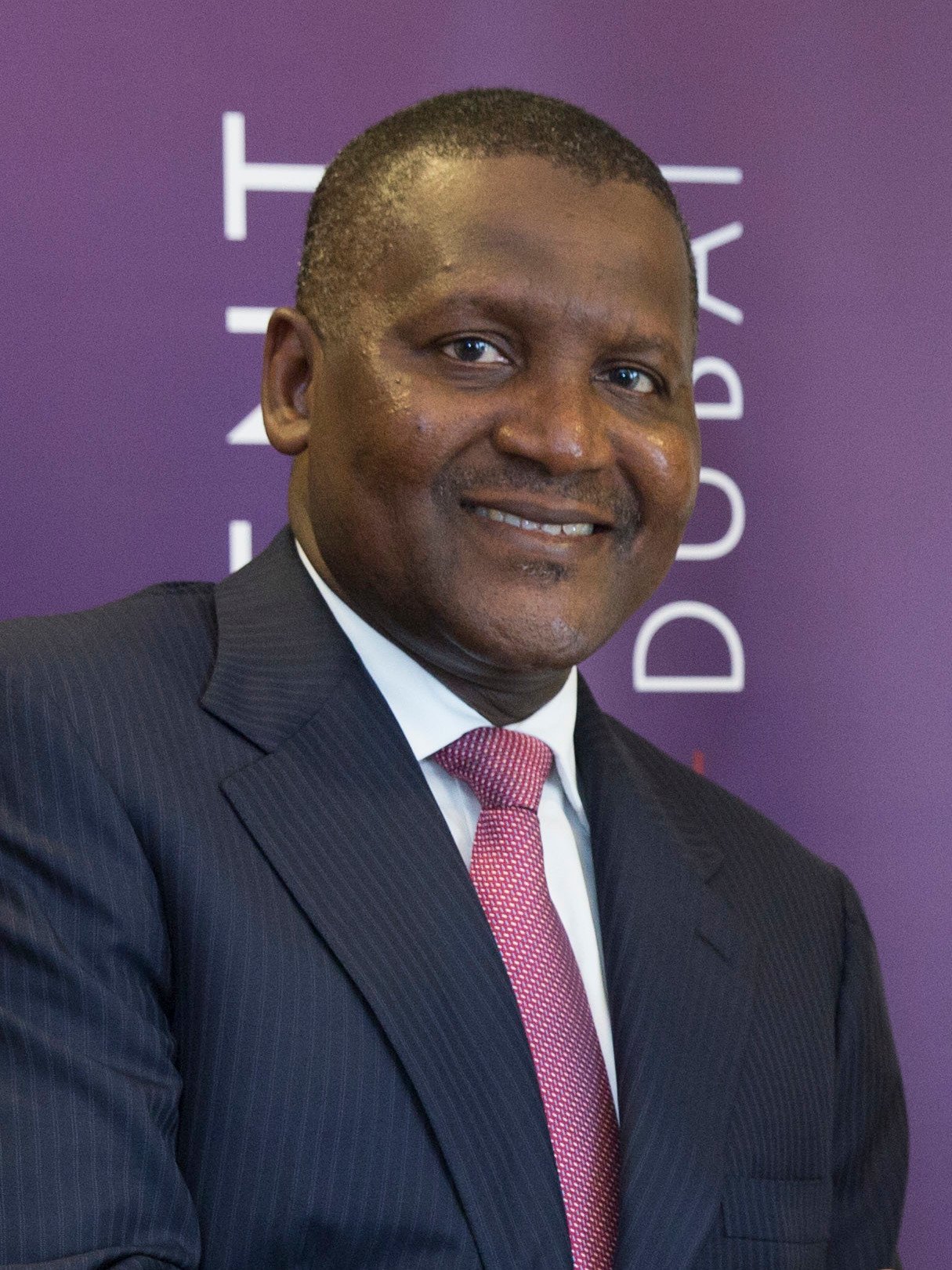
Atiku Abubakar has run for Nigeria’s presidency more times than any other major politician in the country’s history. He served as Vice President under Olusegun Obasanjo from 1999 to 2007, built one of Nigeria’s largest private business empires across logistics, education, and media, and contested the top job in 2007, 2011, 2015, 2019, and 2023. The persistence is itself a statement, of ambition, certainly, but also of a belief that his turn is still coming. Whether it ever does remains one of Nigerian politics’ longest-running open questions.
He was born on 25 November 1946 in Jada, Adamawa State, in Nigeria’s far northeast, and grew up in a region that sits at the intersection of the country’s ethnic and religious diversity. His career began in the Nigerian Customs and Excise service, where he worked for two decades before the transition to democracy in 1999 gave him the opportunity to convert his business wealth and political connections into executive power as Nigeria’s second most powerful official.
Beyond politics, Atiku Abubakar has built a substantial business empire that includes the American University of Nigeria in Yola, logistics companies, real estate interests, and multiple investment vehicles. He is one of the wealthiest individuals in Nigerian politics, and his ability to self-finance his repeated presidential campaigns has been a significant factor in his political endurance.
The essentials
Full name
Atiku Abubakar
Date of birth
25 November 1946
Birthplace
Jada, Adamawa State
Nationality
Nigerian
Education
School of Hygiene, Kano; Nigerian Law School
Political party
Peoples Democratic Party (PDP)
Vice President
1999 to 2007 (under President Obasanjo)
Presidential campaigns
2007, 2011, 2015, 2019, 2023
Major business
American University of Nigeria (Yola), Intels Nigeria (logistics)
Net worth estimate (2026)
~$1.5bn to $2.5bn (multiple financial sources; estimate, not verified)
Early life and Customs career
Atiku Abubakar was born on 25 November 1946 in Jada, a town in what is now Adamawa State in northeastern Nigeria. His family was Fulani, from the Muslim communities that dominate the northeast, and his early education included traditional Quranic schooling alongside formal primary and secondary education. His region’s position at the edge of Nigeria’s demographic and religious distribution gave him an early understanding of the country’s diversity that has informed his political rhetoric throughout his career.
He attended the School of Hygiene in Kano and then the Nigerian Law School before joining the Nigerian Customs and Excise department in 1969, where he served for twenty years. His Customs career gave him detailed knowledge of the Nigerian import-export infrastructure, regulatory frameworks, and the networks of traders and businesses operating across Nigeria’s commercial economy. That knowledge, and the relationships built during those twenty years, became the foundation of his business interests when he left government service.
By the time he entered electoral politics in the early 1990s, as Nigeria began its fitful transitions toward civilian government, he had already built a significant business profile through real estate, logistics, and investment activities in Adamawa State and beyond. His business wealth gave him the resources to invest in political organisation at a scale that was unusual for Nigerian politicians at the time.
Vice Presidency (1999 to 2007)
When the Peoples Democratic Party won the 1999 presidential election under Olusegun Obasanjo, Atiku Abubakar was elected Vice President on the same ticket. The pair’s relationship, initially functional, deteriorated significantly over the eight years they served together, producing one of the most publicly contentious working partnerships in the history of any Nigerian executive. Their disputes over economic policy, privatisation proceeds, and political succession produced sustained public controversy.
As Vice President, Atiku Abubakar chaired the National Economic Council and the Council on Privatisation, roles that gave him direct oversight of significant policy areas during one of Nigeria’s most important economic reform periods. His management of the privatisation process was the subject of public criticism and formal investigation, and the allegations that emerged during and after his vice presidency have followed him through each of his presidential campaigns.
He left the PDP at the end of his vice presidency to pursue the 2007 presidential election under the Action Congress party after falling out with Obasanjo over succession. He lost in 2007 and returned to the PDP, under which banner he subsequently ran in 2011 (losing in the primary), 2019 (losing the general election to Buhari), and 2023 (losing to Tinubu in the general election).
Business interests
Atiku Abubakar’s most publicly prominent business venture is the American University of Nigeria (AUN) in Yola, Adamawa State, which he founded in 2003. AUN operates on the American liberal arts university model and has become one of the more internationally connected private universities in Nigeria, with faculty drawn from both Nigerian and international academic pools and partnerships with American educational institutions.
His logistics and infrastructure interests, including a significant historical stake in Intels Nigeria, a port and logistics company operating at Nigerian ports, have been among the most discussed elements of his business empire. Intels’ operations at Nigerian ports placed him at the intersection of government port concession policy and private sector logistics management, a position that attracted scrutiny throughout his public career.
Away from work
Atiku Abubakar has been married multiple times and has a large family. His wives have included Jennifer Douglas, a Nigerian-American; Ladi Atiku-Abubakar; Fatima Atiku-Abubakar; and Rukayyat Abubakar. He has more than two dozen children across his family units. His family structure reflects the polygamous tradition common in northern Nigerian Muslim communities, and the size of his family has been a topic of media discussion throughout his public career.
His marriage to Jennifer Douglas, an American citizen, gave him American connections that became the subject of US Senate Foreign Relations Committee scrutiny in 2010, when allegations related to his business activities in the United States were raised in a Congressional hearing. He has consistently denied the most serious allegations. The inquiry was part of the sustained political and legal scrutiny that has followed him through his multiple presidential campaigns.
Net worth and finances
Atiku Abubakar’s net worth is estimated at between $1.5 billion and $2.5 billion by multiple financial sources. The figure reflects his logistics and infrastructure business interests, his real estate holdings in Nigeria and internationally, his American University of Nigeria investment, and other business activities accumulated across four decades of business and political prominence. The precise figure is subject to significant uncertainty because many of his assets are held through structures that are not publicly disclosed.
Reader questions
How many times has Atiku run for president?
Atiku Abubakar has contested the Nigerian presidency five times in the democratic era: in 2007, 2011 (lost in primary), 2015, 2019, and 2023. He served as Vice President to Olusegun Obasanjo from 1999 to 2007. His persistent candidacy has made him the most recognisable figure associated with the opposition side of Nigerian presidential politics over the past quarter-century.
What was Atiku’s role as Vice President?
As Vice President from 1999 to 2007, he chaired the National Economic Council and the Council on Privatisation, giving him direct oversight of Nigeria’s economic reform and privatisation programmes during a significant period of transition. His management of the privatisation process was the subject of controversy and investigation throughout and after his tenure.
What is the American University of Nigeria?
The American University of Nigeria (AUN) is a private university in Yola, Adamawa State, founded by Atiku Abubakar in 2003. It operates on the American liberal arts model with international faculty and partnerships with American institutions. It is one of the more internationally connected private universities in Nigeria.
How many wives does Atiku have?
Atiku Abubakar has been married multiple times, reflecting the polygamous tradition common in northern Nigerian Muslim communities. His wives have included Jennifer Douglas, Ladi Atiku-Abubakar, Fatima Atiku-Abubakar, and Rukayyat Abubakar. He has more than two dozen children across his family.
What is Atiku Abubakar’s net worth?
Multiple financial sources estimate his net worth at between $1.5 billion and $2.5 billion, reflecting his logistics and infrastructure business interests, real estate holdings in Nigeria and internationally, the American University of Nigeria investment, and other business activities accumulated across four decades of public life.
Conclusion
Atiku Abubakar is one of Nigeria’s most enduring political and business figures. He served as Vice President from 1999 to 2007 during the return to civilian rule. That role placed him at the centre of national politics for years.
He built substantial business interests alongside his political career. His ventures have spanned several sectors of the Nigerian economy. That combination of politics and enterprise has defined his public life.
He has been a perennial contender for the presidency across multiple elections. His persistence has made him a fixture of the country’s political landscape. He remains one of Nigeria’s most recognisable political figures.
Sources and further reading
Information in this profile draws on reporting and data from Forbes Africa, The Punch, Vanguard, This Day, INEC (Independent National Electoral Commission) official election results, American University of Nigeria public records, and Financial Times Nigeria coverage.
Max Adeyemi is a Lagos-based writer covering Nigerian and African entertainment, sport, business, and culture. He has spent over a decade tracking the careers, controversies, and quiet achievements of the people who move the culture. He writes all profiles on Nolly.